

Reviewed · KIBERA
Nairobi: Kibera Slum Half-Day Guided Tour With Pick-up
Kibera is the kind of place that makes Nairobi feel real, fast. You’re walking through an active neighborhood, meeting residents and learning how people keep daily life going with creativity and grit. I love that you get a live local guide who keeps the conversation grounded in real stories, and I love the focus on community projects rather than just a photo walk. One consideration: this is not a staged attraction, so you need a respectful mindset, and your comfort level should be flexible.
Logistically, it’s easier than you might expect. You start at Prestige Plaza Shopping Mall on Ngong Road, meeting just outside Java House, and you can use hotel pickup and drop-off if that option is available for your area. I also like that the timing is tight, about 3 to 4 hours, so it fits cleanly into a busy Nairobi day.
The tour includes bottled water and portable Wi-Fi, which helps if you want to message home or map your next stop. And part of the proceeds supports local initiatives, so your ticket has a direct link to community work. Meals and drinks are not included, so plan for snacks and water needs on your own schedule.
Key things to know before you go

- A real guide matters: you’ll have a live English, French, or Swahili guide who keeps the visit respectful and meaningful
- You’ll see daily life up close: expect walking, photo stops, street food stops, and local snacks
- Community projects are part of the route: schools, youth programs, and women’s empowerment groups may be included depending on the day
- Artisan workshops and craft markets show income in action: you can browse small businesses and arts and crafts stops
- Your money supports local work: a portion of proceeds aids community initiatives
- Private group feel: you’ll be on a private group tour rather than mixing with a crowd
Starting at Prestige Plaza and getting set up for the walk
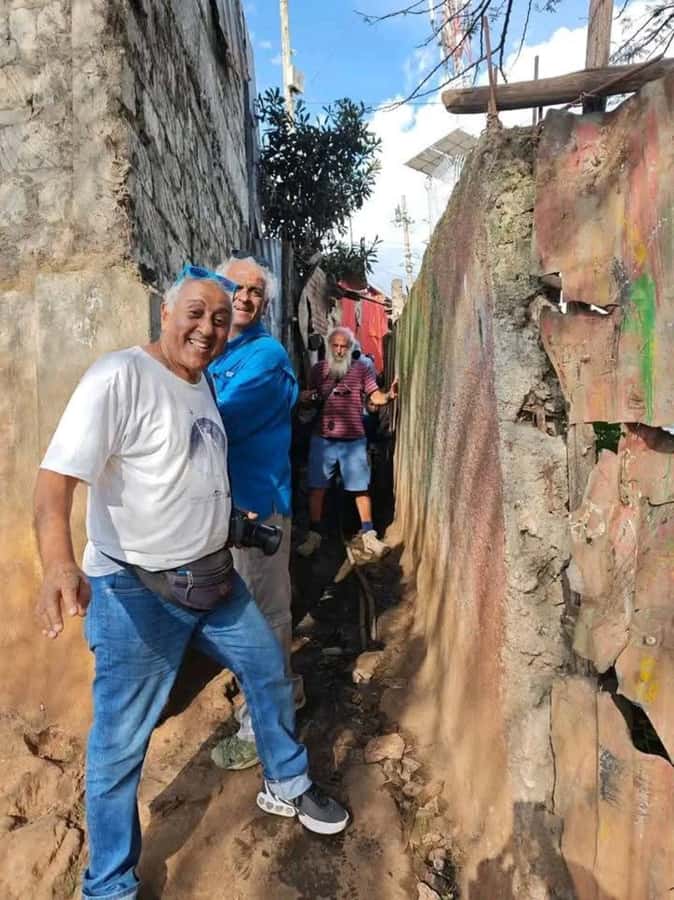
The day begins at Prestige Plaza Shopping Mall on Ngong Road. You meet just outside Java House, which is a practical landmark if you’re already staying somewhere central. From there, the tour is built around guided walking and short stops, so your first priority is being ready to move.
Your guide will handle the tone and pacing. Expect a safety briefing early, and expect the guide to tell you what’s okay for photos and what isn’t. That matters in a place like Kibera, where people’s privacy and daily routines are part of the environment, not an optional feature. The tour also includes bottled water, which is useful because the walk and stops can make you thirsty faster than you think.
The languages listed are English, French, and Swahili. If you’re trying to get the most out of the conversation, arriving with a few simple questions helps, like how community projects work or what youth programs focus on. And since the tour includes portable Wi-Fi, you can quickly check directions, share a message, or look up context for a topic your guide brings up.
If you’re coming from the airport, pickup is optional with a $25 fee. That’s helpful if you’d rather not fight Nairobi traffic right after a flight. The flip side is that airport pickup can change your start time, so double-check your local timing before you commit.
More of Kibera:
- Nairobi: Explore Kibera Slum with Local Guides
★ 4.9 · 365 reviews - Kevins Kibera Slum Tours
★ 5.0 · 213 reviews - Nairobi: Kibera Slum storytelling tour with a Local
★ 5.0 · 185 reviews
Walking Kibera: the photo stop, street food, and local snacks
The main block of time is spent in Kibera itself, around the 3 hour mark. This is where the tour feels most direct: you’ll walk through the area with guidance, with planned stops that can include a photo stop, street food, and local snacks.
Here’s what I think you should look for as you walk. Don’t only watch for landmarks. Watch for rhythms. Where do people gather? Where do conversations happen? How do small shops and informal services fit into the flow of the neighborhood? A good guide will explain what you’re seeing as you go, turning the walk into something you can actually understand.
The food stops can be part of that understanding. The tour may include street food and a food tasting, plus a food market visit. I like that the tour frames these moments as part of local life, not as a gimmick. Still, be honest with yourself about food comfort. If you have dietary restrictions or you’re sensitive about street food, tell your guide at the start and make a choice that feels right.
There’s also an arts and crafts market visit during the Kibera portion. That gives you a chance to slow down and look at handiwork, not only houses and streets. It’s a reminder that people here are building businesses and skills, even when systems are under-resourced.
A practical note: plan to keep your camera behavior thoughtful. In places like this, asking permission before taking close-up photos of people is the difference between respectful curiosity and an invasion. Your guide will steer you on what to do.
Community projects: schools, youth programs, and women’s empowerment

One of the biggest reasons this tour works is that it doesn’t stop at streetscape. You also visit community projects. The tour description points to schools, youth programs, and women’s empowerment groups, and the guiding idea is that you get a look at how residents organize support and opportunity.
What you should take from these stops is not just what the projects are called, but how community-led efforts fill gaps. In an informal settlement, outside aid can come and go. Community projects tend to be built around what residents need now, and they usually rely on ongoing participation, local leadership, and partnerships that keep the work moving.
Your guide is also described as ensuring respectful and meaningful engagement. That’s worth paying attention to. A responsible tour style means you’re not pushed into intrusive questions, and it’s less about spectacle and more about learning. If the route includes time to interact with locals, keep your questions simple and human. Ask what success looks like for them, and what challenges still remain.
Some tours include visits to local homes, but that’s not guaranteed and can vary by route and day. If a home visit is offered, listen to your guide’s instructions and follow them closely. If it is not offered, you’ll still get plenty of insight from projects, markets, and workshop stops.
This part of the tour is also where you’ll likely notice the emotional tone shift. In the streets, you see everyday life. At community projects, you hear the logic behind how people respond. It’s the difference between observing and understanding.
Artisan workshops and small businesses you can actually walk into

The route includes artisan workshops and small businesses, plus an arts and crafts market stop. This is one of the most practical learning angles of the tour: you get to see entrepreneurship at work in real time.
Instead of talking in broad terms about hardship, you’ll be watching people solve problems with what they have. That might show up as a workshop where goods are made, or a small business selling everyday items. Even if you’re not buying anything, you’re still learning how skills convert into income and community identity.
For your money, this matters. Many tours only offer one layer: a walk and photos. Here, you get a second layer where the economy and creativity of the neighborhood come into focus. You’ll likely come away thinking differently about what counts as progress.
If you do choose to buy something, treat it as a bonus to the experience rather than a requirement. The tour notes that part of the proceeds supports local initiatives, so your ticket already contributes to community work. Still, a craft or small item can feel like a real souvenir, because it’s tied to the people you met and the places you visited.
More Nairobi trips to compare
- Nairobi National Park Half-Day Tour; Free Wi-Fi connection
★ 5.0 · 878 reviews - Nairobi National Park Half-Day Game Drive
★ 4.5 · 738 reviews - Half-Day Nairobi National Park Safari from Nairobi with Free Pickup
★ 4.5 · 264 reviews - Nairobi National Park Full or Half-Day Tour with Guide
★ 4.7 · 217 reviews
Meeting locals and learning through a guide like David
The strongest signal from the review you have is about the guide. Tim Volker from Germany rated the tour 5 out of 5 after a verified booking, and he specifically praised David as a great guide.
That matters because on a slum tour, the guide is not a driver. The guide is the translator, the filter, and the safety system for your expectations. A strong guide helps you ask better questions, avoid misunderstandings, and understand what is appropriate to photograph or discuss. They also set the tone so the experience stays human, not exploitative.
Your experience should include opportunities to interact with locals and hear personal stories of resilience. The tour description also highlights community-led initiatives and youth engagement. When your guide connects those dots while you’re walking, the whole tour makes more sense. You stop treating it like a checklist and start treating it like a neighborhood with systems, relationships, and goals.
Here’s what I recommend doing in those conversations. Let people explain in their own words. If a story is emotional, don’t rush to fix it with your own opinion. Instead, listen, then ask what helped, what still needs support, or what advice they’d give to someone trying to help in a useful way.
Also, don’t underestimate the value of the portable Wi-Fi. In a neighborhood where cell signal can be inconsistent, having the tour’s Wi-Fi can reduce stress and help you move through Nairobi’s internet-connected world without feeling cut off.
Price and timing: is $24 really good value?
At $24 per person for a 3 to 4 hour guided tour, this isn’t priced like a “quick look” photo safari. It’s structured like a half-day learning experience with multiple components. You get hotel pickup and drop-off, a guided tour, bottled water, and portable Wi-Fi. You also get time in Kibera for guided walking plus stops that may include food tasting, street food, and a market visit.
For value, the real question is what you get for the money beyond the guide. Here, you’re paying for:
- transportation support (pickup and drop-off)
- a guided explanation in real locations
- multiple stop types, not only walking
- community projects, artisan workshops, and local business exposure
- partial proceeds going to local initiatives
If you were to hire a guide separately and handle transport on your own, you’d likely spend more and still miss parts of the organized route. This pricing is also in line with the goal stated in the tour description, which is education plus support, not only sightseeing.
The duration is a practical sweet spot. Three hours can be intense in terms of emotional impact, but it’s still short enough that you can process later without feeling like the whole day is gone. Four hours gives you breathing room for walking and stops, especially if the group pace moves slower in markets and project areas.
Just remember: meals and drinks are not included. If you’re the type who prefers a proper meal after, you’ll want to plan for it. If you’re happy with local snacks and tasting along the way, you can keep the rest of your day simple.
Who should book this Kibera half-day tour
This tour is a good fit if you want Nairobi from the inside, with real context and guided interpretation. I think it also suits people who like structured experiences, meaning you want a plan for what you’ll see and why. The private group setup can be a comfort too, since it can reduce the feeling of being rushed or crowded.
You should especially like it if you care about community projects and want to hear stories of resilience from locals, guided by someone who can keep the engagement respectful. The arts and crafts market and artisan workshop time also makes it appealing if you enjoy seeing how skills translate into livelihoods.
Consider it more carefully if you dislike walking, if you get uncomfortable in informal settings, or if you want a traditional sightseeing day with minimal emotional weight. The tour is designed to be educational and direct. That’s a plus for many people, but it’s not neutral.
Also, if you have strict dietary needs, ask your guide questions about the food stops before you commit to tasting. Street food and snack stops can be optional in practice, but your comfort choices should drive what you do.
Should you book? My honest take
Book this tour if you want a half-day that focuses on understanding, not just photos. The combination of guided walking, community project visits, and artisan workshop stops makes it more than a one-note experience. And the guide quality signal is strong, including praise for David.
Skip it if you’re looking for a relaxing, low-intensity activity with lots of free time. This is a neighborhood visit with real stories and real constraints. You’ll get the most out of it if you show up ready to listen, follow the guide’s cues, and keep your curiosity respectful.
If you book, go in with two goals: learn what community projects do, and pay attention to the everyday economy around you. That’s where the tour becomes most meaningful, and it’s also where the value behind the $24 price shows up.
FAQ

How long is the Kibera slum guided tour?
The tour lasts about 3 to 4 hours.
Where do we meet for the tour?
You meet at Prestige Plaza Shopping Mall on Ngong Road, just outside Java House.
What is included in the price?
Included features are hotel pickup and drop-off, a guided tour with your guide, bottled water, and portable Wi-Fi.
Is airport pickup available?
Yes, pickup from the airport or around the airport is optional with a $25 fee.
What languages are the guides available in?
The live tour guide is available in English, French, and Swahili.
What is the cancellation policy?
You can cancel up to 24 hours in advance for a full refund.
Recently reviewed from Nairobi
- Amboseli Day Trip from Nairobi★ 4.5 · 3 reviews
- Ngare Ndare Day Trip★ 5.0 · 3 reviews
- Nairobi city tour★ 4.5 · 3 reviews
- Day Trip To Crescent Island And Hells Gate National Park★ 5.0 · 3 reviews
- Crescent Island Day Tour From Nairobi★ 5.0 · 3 reviews
- 1-Day Amboseli Safari★ 5.0 · 3 reviews
- 4 days group joining budget safari to Maasai Mara only★ 5.0 · 3 reviews
- 13-Day Uganda Mgahinga Gorilla Trek, Maasai Amboseli Park★ 5.0 · 3 reviews
Kibera, compared.





Kibera Slum Tour with Local Social Entrepreneurs
Read our review →


Browse the lists this tour appears in