

Reviewed · KIBERA
Nairobi: Volunteer at KCOOP Children’s Centre in Kibera Slum
Kibera is often talked about from far away. This experience gives you a hands-on way to spend time with a community-run children’s centre right in Nairobi’s Kibera area. It is built around practical help, not just sightseeing.
What I like most is that you can jump in right where it matters, whether that’s serving food during the feeding program or sitting with kids for storytelling and singing. I also like how the day includes chances to read, tutor, and assist with educational and creative sessions.
The main consideration is that you are working in a real, sometimes challenging environment. You’ll want to show up with patience, comfortable clothes and shoes, and an understanding that this is about helping today, not collecting a feel-good photo.
Key things you should know before you go
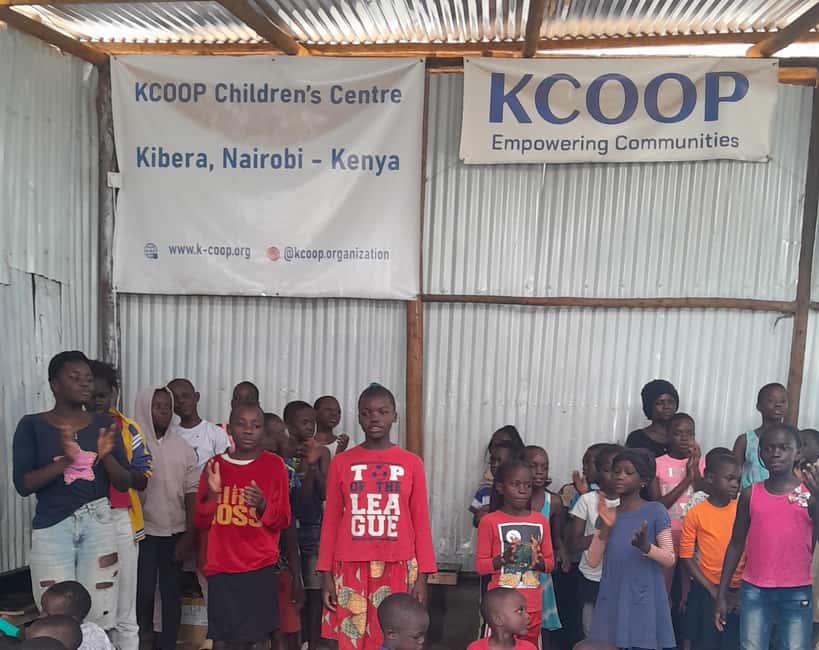
- A grassroots centre led by locals: KCOOP is community-based, and the whole point is local care for local kids.
- Feeding support is hands-on: you may help serve food or snacks during the day’s feeding program.
- You can choose your style of help: play, reading, basic literacy or math support, or organizing activities.
- You learn directly from daily life in Kibera: you’ll hear how children and families navigate challenges and resilience.
- It’s flexible in length: go for a few hours or stay longer for long-term volunteer options.
- Good orientation first: you start with a welcome and briefing at the KCOOP Organization office.
KCOOP in Kibera: a volunteer day that feels real, not rehearsed
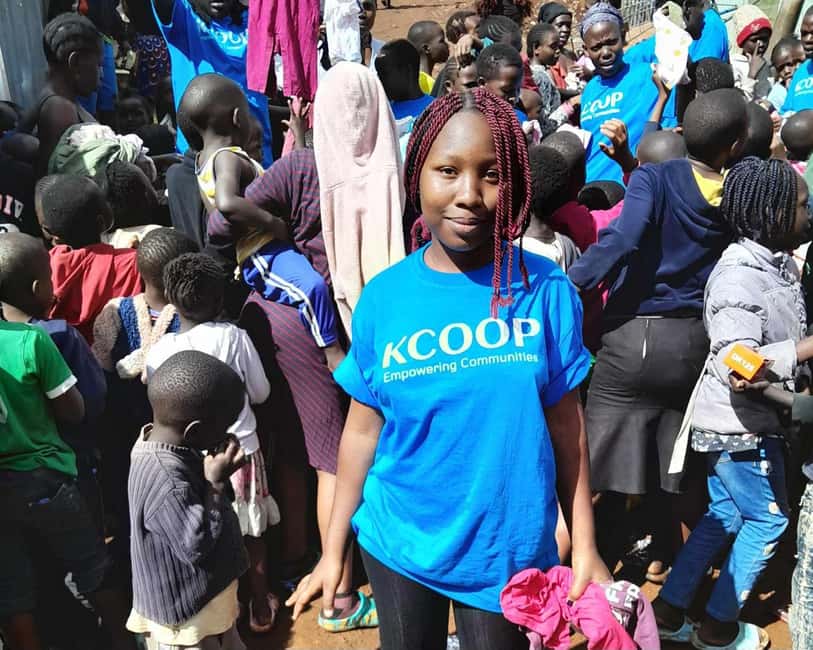
This volunteer experience in Nairobi focuses on KCOOP Children’s Centre, a safe space for orphans and vulnerable children in the heart of Kibera. The big difference here is that you’re not parachuting into a “charity moment.” You’re joining a centre that is led and operated with local community involvement, where daily life and care routines drive the schedule.
KCOOP stands for Kibera Community Outreach Project, and it’s a non-profit founded and registered in 2022 in Kibera. That matters because newer organizations often move fast, learn as they go, and rely heavily on committed volunteers to keep programs running smoothly. The day you’ll spend there is built around those practical needs: food, education support, creative time, and steady adult presence for children who need consistency.
From a traveler’s perspective, the best part is that you get a mix of doing and learning. You will be active with the kids, but you’ll also spend time with the KCOOP team members. That combination helps you understand what your help is supporting, instead of treating the day like a one-time performance.
More of Kibera:
- Nairobi: Explore Kibera Slum with Local Guides
★ 4.9 · 365 reviews - Kevins Kibera Slum Tours
★ 5.0 · 213 reviews - Nairobi: Kibera Slum storytelling tour with a Local
★ 5.0 · 185 reviews
The flow of your day, from OAC Kenya Tours handoff to the children’s centre
Your day typically starts with a welcome and orientation at the KCOOP Organization office. The experience provider is OAC Kenya Tours, and the meeting point approach is simple: you can call or text on WhatsApp to coordinate. It ends back at the meeting point you started from, so you’re not left figuring out transport on your own at the end.
After the orientation, you’ll interact with KCOOP team members. This early step is not just paperwork. It’s where you get context for what you’ll do with the children and how the centre runs day to day. English is the language used, so you should feel comfortable if you communicate in English, even if your volunteering role is basic support.
Then you shift into the centre’s daily rhythm: feeding program support, structured play, and learning activities. The exact order can vary depending on how the centre’s day is going, but you can expect a mix of group time and smaller moments where you might read, tutor, or assist staff with educational or creative sessions.
Timing-wise, think of this as flexible. The program can run as short as 3 hours, or you can volunteer for several weeks. That flexibility is useful if you’re trying to fit Kibera volunteering into a longer Nairobi plan, or if you’re doing a gap-year style placement where you want to return and build familiarity.
Feeding support: where your help becomes immediate for hungry kids
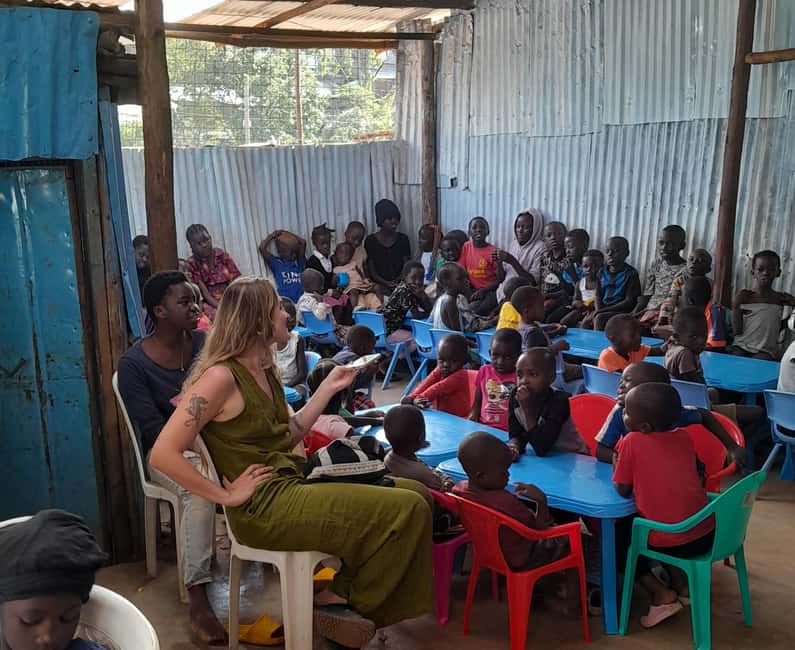
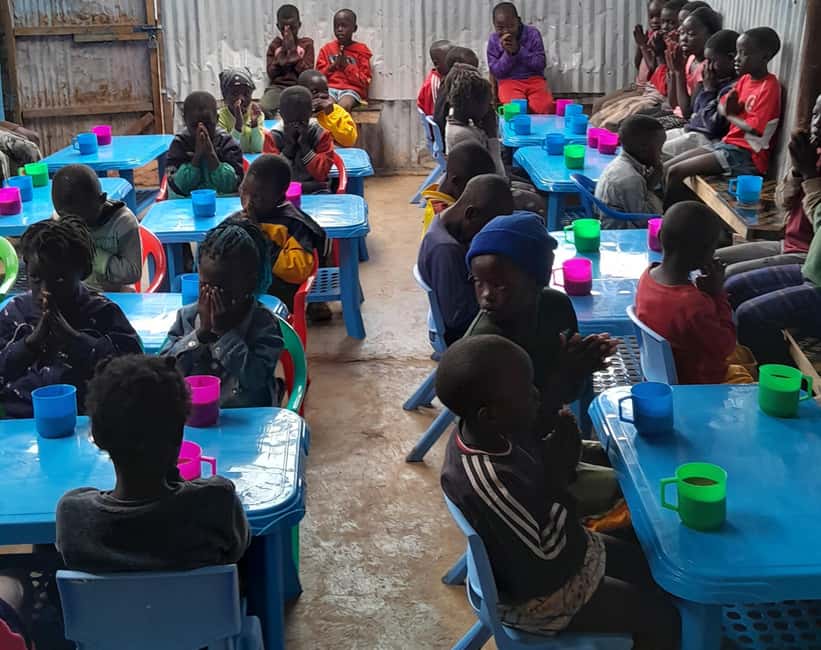
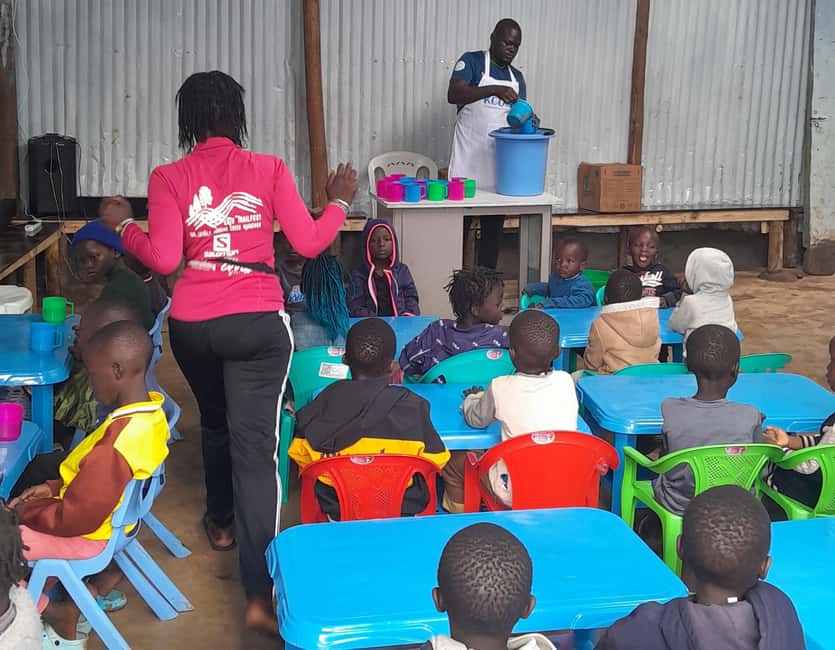
Helping serve food or snacks during the feeding program is one of the most direct ways to contribute. It’s also the part that can feel the most meaningful, because it’s not abstract. You’ll be doing something concrete that supports the day’s basic needs.
What you’ll likely do fits a few common roles:
- Assist with serving food or snacks during the feeding program
- Support the flow of the meal period so kids can eat and move into the next activity
- Help staff with general support during that section of the day
Even if you don’t speak the local languages, your usefulness usually shows up through calm, steady help and following instructions from the KCOOP team. It’s also a good reminder that volunteering is often about logistics and consistency, not big gestures.
This is also where you’ll get your first feel for the centre’s tone. A feeding program is where routines meet emotion. You’ll likely see kids who are energetic, curious, and eager to engage, and you’ll see how the staff keep things organized and safe.
Play, storytelling, and singing: the best way to connect without forcing it
After food time, the centre moves into activities that keep children engaged and encourage creativity. You may help with fun activities like drawing, storytelling, or singing.
This part matters because it gives kids something beyond instruction. When you help with play and group activities, you’re supporting emotional wellbeing. You’re also giving staff a bit of breathing room so they can manage education sessions and care duties.
What to expect in practice:
- You join in with drawing or creative activities
- You might support storytelling sessions, helping kids take turns or follow prompts
- You may join singing, which often works well across language barriers if the structure is guided
If you’re a visitor who worries about “not knowing what to do,” this is the section that usually helps most. You don’t need teaching credentials. You need a friendly presence, willingness to join in, and the ability to stay patient if kids move quickly from one mood to another.
One small but important mindset tip: treat this as relationship building, not performance. Kids can sense when someone is trying to impress. Your goal is to be steady and kind, to keep the energy supportive, and to let the kids lead the play.
More days out of Nairobi:
- Nairobi National Park Half-Day Tour; Free Wi-Fi connection
★ 5.0 · 878 reviews - Nairobi: National Park & Optional Elephants & Giraffe Center
★ 4.8 · 874 reviews - NAI NAMI: Nairobi Storytelling Tour with Street Children
★ 5.0 · 792 reviews - Nairobi National Park Half-Day Game Drive
★ 4.5 · 738 reviews
Reading and tutoring basic literacy or math: useful even with limited skills
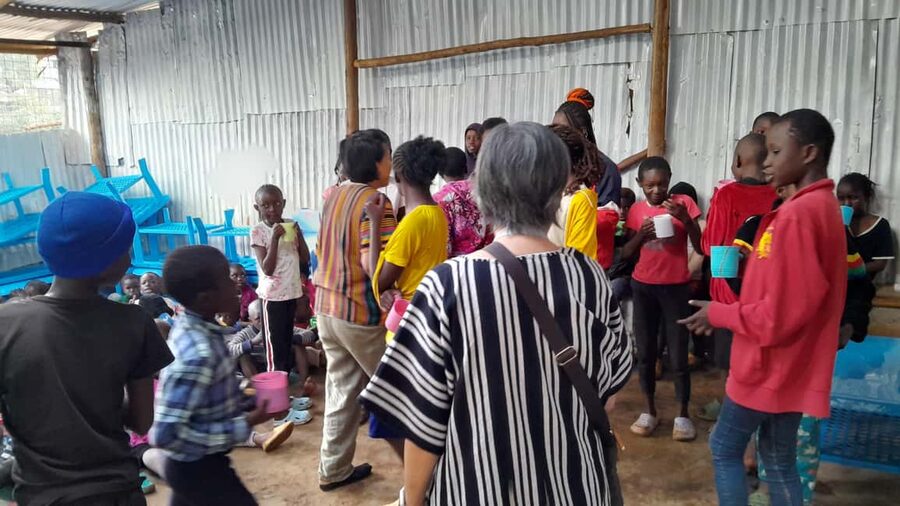
Some of your volunteering could involve reading with or tutoring children in basic literacy or math. KCOOP indicates there’s no prior training needed, and your experience can be customized based on your interests and skills. That means you’re not expected to be a professional teacher.
Here’s how this typically translates into real value:
- You may read aloud or help kids practice reading
- You might tutor basic concepts in literacy or math
- You may support staff by assisting with educational or creative sessions
This is especially good for visitors who like structure. If you’ve ever enjoyed helping someone learn a skill step by step, you’ll likely find this part satisfying. Even simple support can help children practice foundational learning, which is where long-term outcomes often begin.
Just keep expectations realistic. You’re supporting a child’s learning journey, not fixing everything in a few hours. The win is showing up consistently and helping the centre keep education moving.
Learning about daily life in Kibera from the people living it
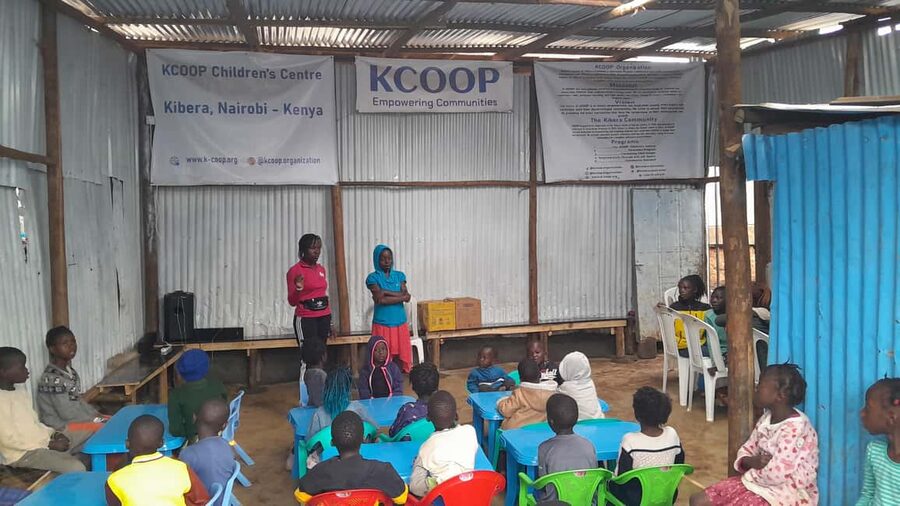
A big promise of this experience is learning first-hand about daily life in Kibera from those who live it. You’ll get that through time with the KCOOP team members and through the way the day is run.
This is valuable because it turns “Kibera” from a word you read into a set of daily routines, constraints, and resilience you can actually see. You’ll likely hear about the challenges children face and how the centre responds with care, education support, and safe play.
It’s also a cultural exchange in a practical sense. You’re not just hearing stories. You’re building relationships across a shared day, where the community’s knowledge and your willingness to help meet in the middle.
If you want to get the most from this learning, go in with questions that are respectful and simple. Ask what the kids need most that day. Ask what activities are most helpful right now. Then follow the answers and help where you’re directed.
Why you pay $35, and what you’re really buying in value
The price is listed as $35 per person. That number can look small compared with private tours, but volunteering like this is mostly about access, coordination, and staffing. You’re paying for the orientation, the structured activities at the centre, and the support that makes the day run.
Your included items are:
- Welcome and orientation at KCOOP Organization office
- Interaction with KCOOP team members
- Participation in various activities at the Children’s Centre
- Meals and accommodation for long term volunteers
That tells you the day is organized around real service, not just observation. If you go for a shorter stay, your value comes from the planned activities and meals included for the day. If you volunteer longer, accommodation becomes part of the value too, which is a major cost saver and a big help for anyone planning a multi-week placement.
In other words, you’re not just paying for a spot. You’re paying to connect to a functioning local program that depends on volunteers, and you’re paying for guidance so your time is useful.
What to bring so you feel comfortable and helpful
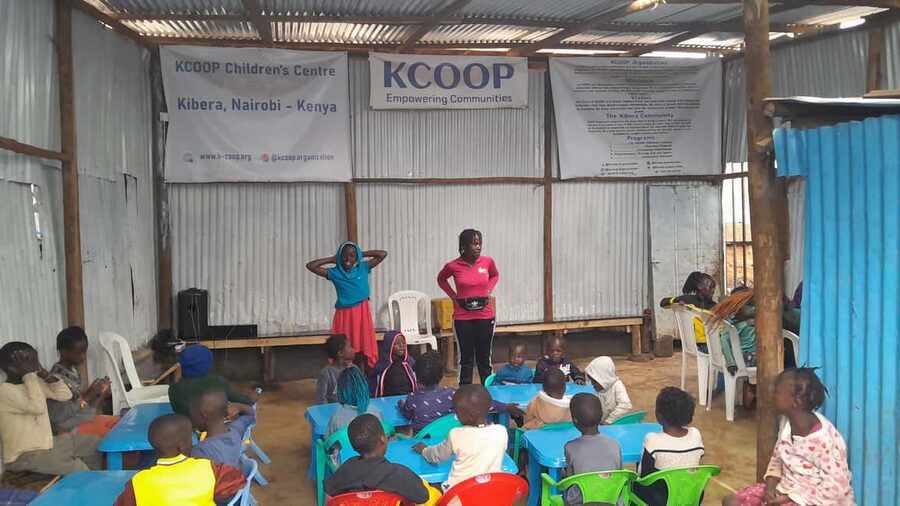
KCOOP gives a clear packing list. Use it. You’ll likely be on your feet, moving between the office and the centre, and you’ll spend time participating in activities.
Bring:
- Comfortable shoes
- Sunscreen
- Water
- Comfortable clothes
Two practical tips:
- Wear clothes you can move in, since you might be helping with play and sitting on the floor for activities like drawing.
- Keep water accessible, especially if you’re volunteering in warmer parts of the day.
Also, because this is in a dense urban setting, comfort and readiness beat style. Your job is to be easy to work with.
Who this fits best, and who may want to reconsider
This experience is ideal for compassionate travelers, gap year students, families with teens, and anyone who wants to give back through responsible volunteering. No prior training or experience is needed, which makes it approachable for first-time volunteers.
You should feel especially suited if:
- You’re comfortable working with kids in a guided setting
- You like hands-on tasks like serving food or supporting group activities
- You want your day to include both learning and doing
But there are clear limits. It is not suitable for:
- Children under 3 years
- People with mobility impairments
- Wheelchair users
So if mobility is a factor, check what you can manage comfortably before booking. This kind of volunteer program often involves moving through crowded or uneven areas, and the centre specifies it isn’t built for wheelchair access.
Volunteering for a few hours versus staying longer
One reason this stands out is its flexible duration. Volunteers can customize the experience based on interests and skills, and the time commitment can range from 3 hours to several weeks.
If you do a short visit, your goal is to contribute where you can, then leave with a clear understanding of how the centre works. It’s a good option if you’re in Nairobi for a packed itinerary and want to make one meaningful stop.
If you stay longer, you get an extra layer of value. Longer term volunteering can mean more consistent support for the feeding program, education assistance, and kid-to-volunteer familiarity. The experience also includes meals and accommodation for long term volunteers, which makes longer placements far more realistic financially and logistically.
Extending your support: partnerships and virtual volunteering
KCOOP is actively seeking like-minded individuals, non-profit organizations, and social enterprises to partner or collaborate in expanding efforts to support more vulnerable children. That’s important because the centre is only as strong as its network.
If you’re not able to travel right now, there are virtual volunteering options. KCOOP mentions virtual support for fundraising or grant writing. That can be a useful path if you have writing or proposal skills and want to contribute behind the scenes.
If you do travel, you can also think about how to stay connected after your visit. Your day at the centre is valuable, and follow-through helps programs plan and grow.
Should you book the KCOOP Children’s Centre volunteer day?
I’d book this if you want a structured, community-led way to volunteer in Nairobi that goes beyond passing curiosity. It’s especially good if you’re drawn to feeding support, playful engagement like drawing and singing, and practical learning help like basic literacy or math tutoring.
Don’t book it if you need wheelchair-friendly access or mobility accommodations, or if you’re expecting a traditional sightseeing tour. This is work in a real community setting. The payoff is in the relationships and the daily impact.
If you want to make the experience go smoothly, go prepared with comfortable shoes, sunscreen, water, and a flexible mindset. Ask the team where they need help most, follow guidance, and treat your role as support for the centre, not the star of the day.
FAQ
What does the Nairobi volunteering at KCOOP Children’s Centre include?
You get a welcome and orientation at the KCOOP Organization office, time interacting with the KCOOP team, participation in activities at the children’s centre, and meals. Long term volunteers also receive accommodation.
How much does it cost?
The price is $35 per person.
Where do I meet the group?
You start at the meeting point, and you can call or text the organizers on WhatsApp to confirm details. The experience ends back at the meeting point.
How long is the volunteering experience?
It can be flexible, from 3 hours to several weeks.
What activities will I do during the day?
You may help serve food or snacks during the feeding program, engage children in fun activities like drawing, storytelling, or singing, read with or tutor children in basic literacy or math, and assist staff with organizing educational or creative sessions.
Do I need any prior training or experience?
No. The experience is designed so volunteers can participate without prior training.
What language is used?
The language listed for the experience is English.
What should I bring?
Bring comfortable shoes, sunscreen, water, and comfortable clothes.
Is it suitable for children or for people with mobility limitations?
It is not suitable for children under 3 years. It is also not suitable for people with mobility impairments or for wheelchair users.
Are there options if I cannot travel?
Yes. There are virtual volunteering options mentioned for fundraising or grant writing.
Recently reviewed from Nairobi
- Amboseli Day Trip from Nairobi★ 4.5 · 3 reviews
- Nairobi city tour★ 4.5 · 3 reviews
- Ngare Ndare Day Trip★ 5.0 · 3 reviews
- Day Trip To Crescent Island And Hells Gate National Park★ 5.0 · 3 reviews
- Crescent Island Day Tour From Nairobi★ 5.0 · 3 reviews
- 1-Day Amboseli Safari★ 5.0 · 3 reviews
- 13-Day Uganda Mgahinga Gorilla Trek, Maasai Amboseli Park★ 5.0 · 3 reviews
- 4 days group joining budget safari to Maasai Mara only★ 5.0 · 3 reviews
Kibera, compared.



Kibera Slum Tour with Local Social Entrepreneurs
Read our review →

Browse the lists this tour appears in