

Reviewed · KIBERA
Afternoon Kibera Slum Tour
Kibera in the afternoon is a powerful slice of Nairobi life. This walk puts you in the middle of the community during peak operational hours, when the streets, markets, and small businesses are actually working. It is not a staged show, and it is not trying to make poverty feel fun, but it does show how peace, love, and unity show up day to day.
Two things I really like about this experience are the hands-on route through Toi Market and the story-focused stops that connect you with local initiatives. You also get accredited guidance, and the pace gives you time to ask questions rather than rushing past everything. The main drawback to plan for is that this is a walking tour, so comfy shoes matter.
Finally, the subject matter can feel heavy at moments. You will hear about vulnerable children and HIV/AIDS affected communities, so come with a mindset for empathy and listening, not just sightseeing.
Key highlights you should know before you go

- Greenhouse Mall meet-up on Ngong Road makes it easy to find the start point.
- Toi Market walk shows how daily commerce supports life in Kibera.
- Kibera Pride Orphanage connects you to the people behind care for vulnerable children.
- Victorious Bone Craft turns recycling into jewelry, with stories tied to work and skill.
- Power Women Group and Shop shares experiences of women affected by HIV/AIDS.
- Private tour only for your group keeps the experience personal and question-friendly.
Why an afternoon Kibera walk is a different kind of Nairobi experience

Nairobi gets called the city of hope for a reason, and Kibera is where that idea becomes practical. This tour is built around the idea that you see a community doing what it does best: organizing, selling, teaching, crafting, and supporting one another.
The afternoon timing matters. When you visit later in the day, you catch the area while it is still active, not quiet and empty. You get to witness the flow of daily needs, not just the appearance of a neighborhood from afar.
You also get a clear emphasis on community initiatives. This is not only about viewing homes and streets. You spend time with groups like a bone craft cooperative, a women’s group, and an orphanage tied to vulnerable children. That focus changes your understanding, because it shifts the story from survival to problem solving and creativity.
More of Kibera:
- Nairobi: Explore Kibera Slum with Local Guides
★ 4.9 · 365 reviews - Kevins Kibera Slum Tours
★ 5.0 · 213 reviews - Nairobi: Kibera Slum storytelling tour with a Local
★ 5.0 · 185 reviews
Greenhouse Mall pickup, timing, and what the 4 to 6 hour block really means
You meet your accredited guide at Greenhouse Mall on Ngong Road. Pickup is offered, so you can arrange a smoother start if you’re not already nearby. Either way, this is set up so you are not left guessing where to begin.
Plan on 4 to 6 hours total. The experience can feel longer than you expect because walking takes time, and conversations take more time when your guide is encouraging questions. One review experience I found especially useful in shaping expectations was that it is a true walking tour, so you should come prepared to move a lot.
Another practical note: the tour is positioned as near public transportation, which helps if you need flexibility. And it runs as a private tour activity, so it is only your group. That matters if you want a slower pace, more time at specific stops, or a more personal Q&A with the guide.
The heart of the day: walking through Kibera and Toi Market
The main part of the tour is a walking tour around Kibera, the largest urban slum in the world. Your guide leads you through the area with context so you are not just passing by buildings and streets, you are understanding the systems that keep things going.
A key highlight is Toi Market, described as Nairobi’s second largest open air market. This stop gives you a window into the backbone of Kibera’s economy. You will see how the market supports daily life, and how many different kinds of activity happen in a tight space.
What I like most here is that the tour treats the market as more than a photo spot. It is a living place where people work, buy, and sell. When your guide explains what you are seeing, you start to notice patterns, like how commerce connects to community needs.
You should also expect the atmosphere to be emotionally real. If your stomach tightens, you’re not doing it wrong. I’d rather you show up mentally ready to listen than expect a comfortable, glossy version of Nairobi.
Kibera Pride Orphanage: learning about care for vulnerable children
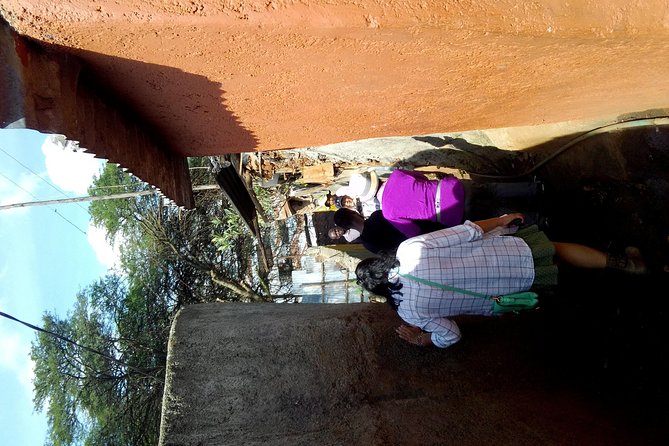
One of the stops focuses on Kibera Pride Orphanage, which houses well over 25 vulnerable children. This is not framed as a sensational visit. It is presented as part of the wider picture of community support and how local organizations help children stay protected and educated.
You will get the chance to hear stories connected to this work. Even if you do not get every detail, you come away with a better understanding of why community-led institutions matter. Orphanages in this context are not just buildings. They represent daily effort, resources, and dedication from people who know the neighborhood best.
The emotional tone here can be the hardest part of the afternoon. If you are the type who avoids anything that could feel sad, this stop might test you. If you can handle empathy without turning away, it becomes one of the most meaningful parts of the route.
More days out of Nairobi:
- Nairobi National Park Half-Day Tour; Free Wi-Fi connection
★ 5.0 · 878 reviews - Nairobi: National Park & Optional Elephants & Giraffe Center
★ 4.8 · 874 reviews - NAI NAMI: Nairobi Storytelling Tour with Street Children
★ 5.0 · 792 reviews - Nairobi National Park Half-Day Game Drive
★ 4.5 · 738 reviews
Victorious Bone Craft and turning recycling into jewelry

Another stop introduces Victorious Bone Craft, a group specializing in recycling of domestic animal bones to make jewelry. This is the kind of detail that changes how you view the area. You’re not just seeing scarcity. You’re seeing skills, production, and trade.
The practical value for you is perspective. When someone explains what materials are used and what comes out of the process, you get a grounded sense of how livelihoods work. It is easier to understand the economic logic of a community when you can connect a product to a process.
You also get a chance to see how creativity and sustainability overlap. Bones are not romantic materials, but the work turns waste into wearable items, and that idea is central to the story you hear on this tour.
Power Women Group and Shop: the women’s stories you come for

The tour also includes time with Power Women Group and Shop, described as a group of women who are victims of HIV/AIDS. You will listen to their stories and learn how they navigate life and build community through the group’s work.
This stop is where the tour feels most human. You are not only learning facts, you are hearing personal narratives. In one of the experiences tied to this tour, the guide’s personal touch and professionalism stood out, especially in how the group interaction becomes more conversation than lecture.
If you tend to connect best through stories, you are going to like this part. If you need distance from difficult topics, you might find it intense. Either way, it is part of why the afternoon feels different from a standard city tour.
Price and value: is $60 a fair deal for a private 4 to 6 hour walk?
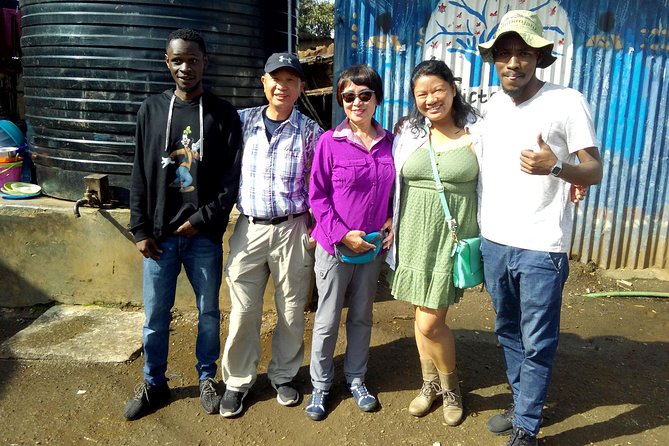
The price is $60.00 per person. That’s not a bargain price, but you are paying for a guided, private, multi-stop experience that includes all fees and taxes, plus an admission ticket.
Here’s what makes the value feel real for me: you are not only paying for someone to walk with you. You are paying for access to specific community initiatives and for interpretation that helps you understand what you are seeing. A private group also gives your guide room to tailor the pace and answer your questions.
Also, the tour comes with practical extras. Pickup is offered, and there is a mobile ticket. Alcoholic beverages are not included, which is normal for this kind of activity, but it does mean you should plan on keeping the day clear-headed.
Finally, it is often booked about 27 days in advance on average. That doesn’t mean you must book early, but it’s a hint that spaces can move quickly, especially if you want a specific afternoon slot.
Who should book, and who should pause
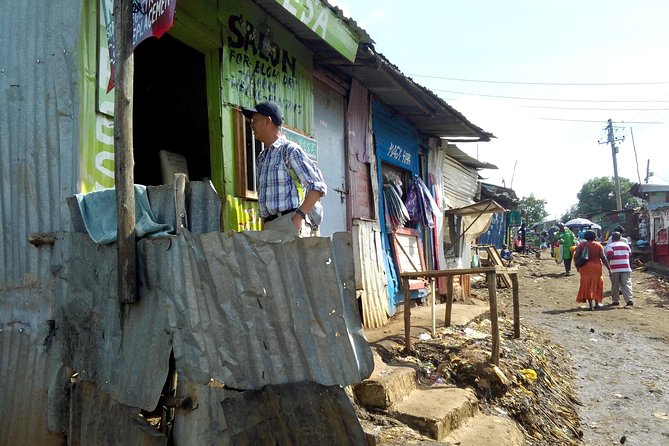
This tour is best for you if you want more than sightseeing. If you like walking tours where the guide explains the setting and encourages questions, you’ll likely enjoy it. One thing that stood out in the feedback pattern is that guides like Lucas and Elijah come across as professional and able to answer questions clearly, while still keeping the experience personal.
You should consider whether you’re comfortable with walking and with emotional topics. The walking commitment is real. The content includes vulnerable children and HIV/AIDS affected communities, so it’s not a light outing.
It’s also a good fit if you value connection over consumption. You’re not being guided through a scripted attraction. You’re moving through a working neighborhood with organized community projects. If that approach matches your travel style, you’ll probably feel satisfied rather than rushed.
Practical tips for a smooth afternoon in Kibera
Start with the basics: wear comfortable closed shoes. This is a walking tour, and you’ll be on your feet for hours. Bring layers you can adjust to, since weather can matter for a neighborhood visit.
The experience requires good weather. If conditions are poor, you should expect the tour to be rescheduled or refunded. So before you plan other Nairobi activities, keep a little flexibility around this afternoon slot.
Also, come with the expectation that questions are part of the experience. Guides on this route are set up to field questions and keep the explanations going. If you go in curious and respectful, the whole day tends to land better.
Lastly, keep your expectations aligned with what the tour is. This is not about collecting photos. It is about understanding the social fabric of Kibera through community initiatives.
Should you book the Afternoon Kibera Slum Tour?
If your goal is to understand Nairobi through real community life, I think this tour is worth booking. The combination of Toi Market, community organizations, and a story-led walking route makes it feel purposeful rather than superficial.
I’d book it if you want a private group experience, plan to walk a lot, and can handle emotional topics with empathy. I’d pause if you want an easy, carefree outing or if walking for several hours is a dealbreaker.
One more practical point: because the tour is organized around specific community stops and a set meeting point at Greenhouse Mall on Ngong Road, it rewards planning. Pick an afternoon when you won’t be rushed, and go ready to listen.
FAQ
How long is the Afternoon Kibera Slum Tour?
The tour is scheduled for about 4 to 6 hours.
Where do I meet the guide?
You meet your accredited guide at Greenhouse Mall on Ngong Road.
Does the tour include pickup?
Yes, pickup is offered.
Is this tour private?
Yes. It is a private tour/activity, so only your group participates.
What’s included in the ticket price?
All fees and taxes are included, and an admission ticket is included. Mobile tickets are also used.
What will I see during the walk?
You’ll take a walking tour around Kibera, including a walk through Toi Market, plus stops connected to Kibera Pride Orphanage, Victorious Bone Craft, and Power Women Group and Shop.
Is there anything not included?
Alcoholic beverages are not included.
Is the tour near public transportation?
Yes, it’s listed as near public transportation.
What weather conditions does the tour require?
The experience requires good weather. If it is canceled due to poor weather, you will be offered a different date or a full refund.
What is the cancellation policy?
Free cancellation is available up to 24 hours in advance for a full refund. If you cancel less than 24 hours before the experience starts, the amount paid is not refunded.
Recently reviewed from Nairobi
- Amboseli Day Trip from Nairobi★ 4.5 · 3 reviews
- Nairobi city tour★ 4.5 · 3 reviews
- Ngare Ndare Day Trip★ 5.0 · 3 reviews
- 1-Day Amboseli Safari★ 5.0 · 3 reviews
- Day Trip To Crescent Island And Hells Gate National Park★ 5.0 · 3 reviews
- Crescent Island Day Tour From Nairobi★ 5.0 · 3 reviews
- 13-Day Uganda Mgahinga Gorilla Trek, Maasai Amboseli Park★ 5.0 · 3 reviews
- 4 days group joining budget safari to Maasai Mara only★ 5.0 · 3 reviews
Kibera, compared.




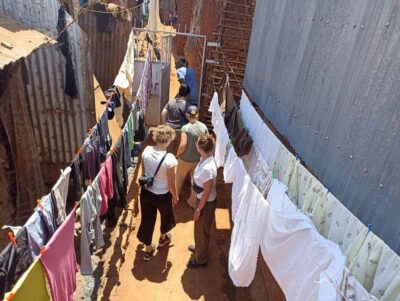
Kibera Slum Tour with Local Social Entrepreneurs
Read our review →


Browse the lists this tour appears in