

Reviewed · KIBERA
Kibera Slum Experience with Local Guide Born There
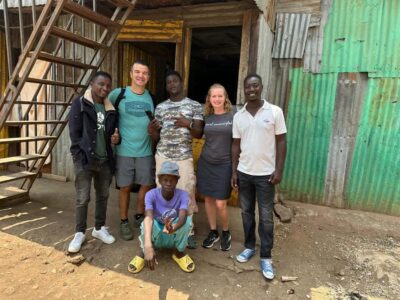
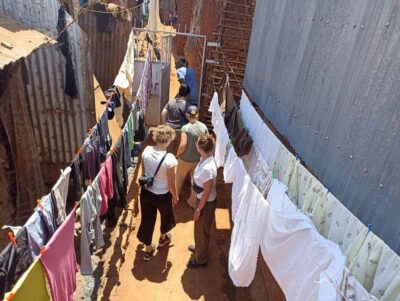
Kibera is Nairobi at eye level, where you see how people solve problems with what they have. This tour is interesting because it is led by someone who was born and raised in Kibera, so the answers come from lived experience, not a script. You also get a clear route through real places: school space, craft work, homes, and a view over the settlement.
I like two parts a lot. First, the visit to the orphanage or school built by mama Tunza, and the chance to meet the person behind it. Second, the bead factory lesson, where you can see how reuse happens up close, including bones from the butcher turned into beads. A third plus is the biogas center view over Kibera, with a picture stop that makes the area easier to understand.
One thing to consider is that quality can depend on guide logistics and coordination. In at least one reported case, the visit ran shorter than expected and a requested language guide did not show, which is disappointing for a tour priced for private time.
Key points worth knowing before you go

- Local guide born and bred in Kibera, so questions about daily life get real answers
- Mama Tunza children’s home or school stop, focused on community support work
- Bead making from reused materials, including bones into beads
- Biogas center + viewpoint, with a practical look at how waste is managed
- Typical Kibera-house visit, where you can see daily routines and ask questions
- Hotel pickup and drop-off included, with airport pickup available for an extra fee
Why a Kibera tour with a local guide changes how you see Nairobi

If you only spend time on Nairobi’s main roads and viewpoints, you miss a huge part of the city. A Kibera visit can correct that fast, but only if the experience feels respectful and specific. This one leans into specific by matching you with a guide who grew up in Kibera, so you are not just watching, you are learning what things are like from the inside.
You should expect a 4 to 5 hour window, with morning or afternoon options. That length matters. It is long enough to see multiple stops, but short enough that you are not stuck moving through the same narrow paths for hours without context. The tour is also private, meaning it is designed for your group rather than a large crowd.
The practical upside is simple. Hotel transfers are included, so you do not have to scramble for local transport once you land or when you are tired. The main consideration is also practical. For a place like Kibera, your experience depends on how smoothly the guide and driver handle timing, and how well your needs are communicated ahead of time.
More of Kibera:
- Nairobi: Explore Kibera Slum with Local Guides
★ 4.9 · 365 reviews - Kevins Kibera Slum Tours
★ 5.0 · 213 reviews - Nairobi: Kibera Slum storytelling tour with a Local
★ 5.0 · 185 reviews
Planning your 4 to 5 hours, morning vs afternoon, and what to expect on the route
Choose the morning or afternoon option based on your energy and your schedule in Nairobi. Both work, and the tour can include the same types of stops, but your comfort level may change with light, heat, and foot traffic.
Here is what the route is built around, and why it is a smart format:
- You start within Kibera, then move through community spaces.
- You hit places that explain the economy, like a bead factory.
- You see a place tied to children and education, connected to mama Tunza.
- You get a typical house visit that turns abstract “conditions” into everyday reality.
- You finish with a biogas center viewpoint and a picture point that helps you orient yourself.
Even though the tour is structured, it is still a human experience. You will likely spend time asking questions and listening. That is where the local guide matters most. A born-and-raised guide can explain what outsiders often misunderstand, like the difference between what you see on the street and what a family deals with inside a home.
Mama Tunza’s children’s home or school: why this stop is more than a photo stop

One of the most meaningful stops is the orphanage or school built by mama Tunza. The name is important because it anchors the visit in a person and a mission, not just a generic “children’s center” label.
When you meet mama Tunza and see her work, you get a sense of what the community is building alongside everyday challenges. This is the kind of stop where questions come easily. You can ask what the support actually does, how families think about education, and what the community hopes for. Even if you only get a short conversation, it can change your understanding of Kibera from a headline to a set of real goals.
The drawback is not the visit itself. It is time. Since the tour is 4 to 5 hours, the schedule is tight. If you care most about this stop, show up ready to focus and treat it like the main event, not a quick detour.
Bead factory and reused materials: seeing how work and recycling connect
The bead factory stop is one of the most hands-on parts of the tour. Kibera reuse is not a slogan here. You can actually see the materials and the process.
A standout detail is that bones from the butcher can be turned into beads. The idea may sound surprising until you see it explained as work within local routines. This is one reason the tour can feel more real than a typical “site visit.” You are learning about practical skills and about how people reduce waste and create income.
I like that the stop connects multiple dots. Reuse is a theme that shows up again later with waste handling at the biogas center. So your brain starts to see patterns instead of isolated sights. And the craft angle matters, because it gives you something concrete to observe: the tools, the hands-on steps, and the way a product becomes wearable.
If you are the type who likes simple economic stories, this stop will land well. If you tend to prefer quiet, slower experiences, plan on it still being energetic and discussion-heavy, because guides often use the bead factory to explain how daily life and work are tied together.
More days out of Nairobi:
- Nairobi National Park Half-Day Tour; Free Wi-Fi connection
★ 5.0 · 878 reviews - Nairobi: National Park & Optional Elephants & Giraffe Center
★ 4.8 · 874 reviews - NAI NAMI: Nairobi Storytelling Tour with Street Children
★ 5.0 · 792 reviews - Nairobi National Park Half-Day Game Drive
★ 4.5 · 738 reviews
Typical Kibera-house visit: the best questions are the ones you ask early
The tour includes a chance to visit a typical Kibera house. This is where the experience shifts from “seeing” to “understanding.”
What makes this stop valuable is not that you get to “look inside.” It is that you get permission to learn through conversation. You can ask questions about day-to-day life in Kibera and hear how families describe their routines, challenges, and what they consider normal.
A practical tip: plan your questions ahead so you do not freeze when you are standing in a real home. Simple, respectful questions work best, like how a typical day is structured or how waste and water needs are handled. The guide can also steer you away from questions that feel invasive.
The consideration here is about comfort. Houses can be small and crowded. Wear clothes that you do not mind getting warm, and bring patience. This stop can be emotionally heavy for some people, even when you are being shown a welcoming space.
Biogas center viewpoint: how waste management becomes visible
The biogas center stop gives you a view over Kibera, plus a picture point. That viewpoint is not just for sightseeing. It helps you connect what you heard and saw to the wider layout of the settlement.
This stop also ties back to the reuse theme. You will see how human waste is not simply discarded, and how it can be managed through a biogas approach. The tour frames it as practical and observable, which is exactly what you want from a half-day experience.
A view like this does two things for you. It reduces confusion, and it makes the entire tour feel less like a checklist. After the home visit and the reuse craft stop, the landscape in the literal sense starts to make sense.
If you are a photographer, you will likely want to plan your timing. Picture points are often busy, and you do not want to block people who are listening or moving.
Hotel transfers, driver and guide, and what the $49 price actually buys

At $49 per person, this tour can be a decent value when you factor in what is included. You get hotel pickup and drop-off, a driver or guide, and tour fees. Admission is listed as included too, and you may receive a mobile ticket.
Here is what that means for you in plain terms. You are paying for local time plus transport logistics, which can add up quickly in Nairobi. You are also paying for a private format, where your group is the only one participating. That can make it easier to ask questions and set the pace without competing with strangers.
The biggest value comes from the guide’s background. A born-and-bred guide is not just a translator. They can explain what the system is like in real life. That is where this tour differs from a generic “slum walk.”
On the flip side, the price only feels fair if the tour runs close to the promised duration and you get the guide arrangement you expect. One negative experience reported a shorter-than-described visit and a language mismatch. That is not enough to write off the whole tour, but it is enough to justify one step on your end: confirm the basics clearly before you go, especially the guide language you want.
How to handle respect, safety, and sensitivity in a community visit

I do not think you should treat Kibera like a theme park. Even if the tour is structured and booked through a company, you still have visitors and you still have residents living their lives. Your job is to keep the tone respectful and practical.
A few rules of thumb help:
- Listen more than you ask questions.
- Avoid staring at people like they are part of a show.
- Keep your camera use controlled, especially in homes.
- Ask your guide what is appropriate before pulling out your phone.
Safety is another practical matter. Even with a driver and pickup, you should stay alert about your belongings and your timing. Wear closed-toe shoes and expect uneven ground.
The emotional side matters too. Stops like a children’s home or school can bring strong feelings. If you get overwhelmed, tell your guide. A good guide can help you shift from emotion to understanding.
Timing, guide language, and how to make sure your private time is not wasted
Because this is a private tour, timing is part of the product. You are paying for 4 to 5 hours of access and conversation. If your tour runs much shorter, you lose the chance to see multiple stops in a meaningful way.
The same goes for language. One reported issue was that a guide in French was requested and did not arrive. Another person came instead, speaking English, and the visit felt inadequate for the price. You cannot control everything, but you can prevent avoidable friction.
My advice is straightforward:
- When booking, clearly note the language you want.
- Ask for confirmation of the guide details.
- Plan a little buffer time before and after your pickup, so delays do not crush the experience.
Who this Kibera experience suits best
This tour fits best if you want a focused, half-day understanding of Kibera through several specific stops. It is also a good match if you enjoy Q and A time and you value learning about reuse and local enterprise, like bead making.
You might love it if:
- You like structured storytelling through real locations
- You want a viewpoint over Kibera to help your brain map the area
- You enjoy craft, work, and how communities turn constraints into solutions
You might think twice if:
- You need a strict schedule with zero flexibility
- You are very sensitive to emotional content from a children’s home visit
- You require a very specific language setup and cannot be flexible
Should you book this tour, or look for another option?
I think this can be a strong booking if you want a private, guided visit built around real stops: mama Tunza’s children’s home or school, the bead factory with reused materials, a typical Kibera-house, and a biogas center viewpoint. The hotel transfers included help you spend time learning instead of negotiating transport.
My main caution is quality consistency. With only one provided negative datapoint, I cannot claim a pattern, but the issue was clear: the tour did not meet expectations on duration and guide language. If you book, protect yourself by confirming guide language and being firm about the timeline you are purchasing.
If you want, tell me your group size, your preferred language, and whether you are booking morning or afternoon, and I can suggest a simple checklist of questions to send to the operator before you go.
FAQ
Is pickup from my hotel included?
Yes. Hotel pickup and drop-off are included as part of the tour.
How long is the Kibera slum experience?
It runs about 4 to 5 hours.
Do I need to pay for admission?
Admission is listed as included, and you also get a mobile ticket.
Is this tour private?
Yes. It is a private tour/activity, so only your group participates.
What is not included in the price?
Lunch is not included, and tips and gratuities are not included.
What is the cancellation policy?
Free cancellation is available. You can cancel up to 24 hours in advance of the experience for a full refund.
Recently reviewed from Nairobi
- Amboseli Day Trip from Nairobi★ 4.5 · 3 reviews
- Nairobi city tour★ 4.5 · 3 reviews
- Ngare Ndare Day Trip★ 5.0 · 3 reviews
- Day Trip To Crescent Island And Hells Gate National Park★ 5.0 · 3 reviews
- Crescent Island Day Tour From Nairobi★ 5.0 · 3 reviews
- 1-Day Amboseli Safari★ 5.0 · 3 reviews
- 13-Day Uganda Mgahinga Gorilla Trek, Maasai Amboseli Park★ 5.0 · 3 reviews
- 4 days group joining budget safari to Maasai Mara only★ 5.0 · 3 reviews
Kibera, compared.



Kibera Slum Tour with Local Social Entrepreneurs
Read our review →


Browse the lists this tour appears in