

Reviewed · KIBERA
Kibera Slum Guided Tour from Nairobi
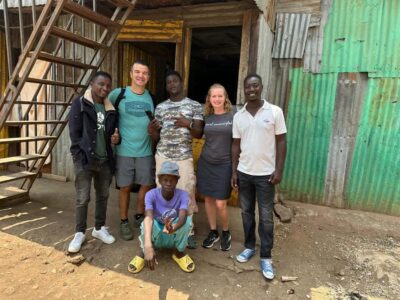
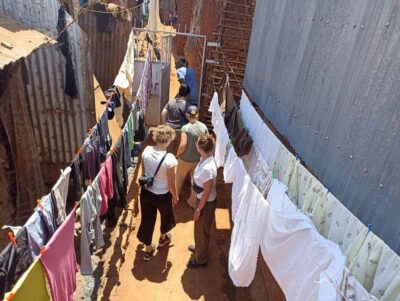
What makes this Nairobi experience so interesting is that it is not a photo safari. It is a guided walking look at everyday life in Kibera, with a guide who actually grew up there. I love the visits that show real community work, especially the Mama Tunza orphanage and school. I also love the bone bead factory stop, because it turns a stereotype into a story about reuse and small business. The main drawback to consider is that the walking can get rough in places, with uneven ground and mud, so comfy shoes matter.
This tour runs about half a day and is designed so you do not just pass through. You get structured stops, plus a final payoff at the biogas center where you can take in wide views across Kibera. If you are expecting a casual stroll with lots of waiting around, you might find the pace a bit active.
Key highlights you will actually notice

- A guide born and raised in Kibera, with firsthand stories that add context fast
- Mama Tunza orphanage and school visit, with a chance to meet the people behind the work
- Bone reuse bead factory, where discarded materials become small, sellable crafts
- A typical Kibera house stop, built around real questions about daily routines
- Biogas center photo point, with wide views across the area
- Pickup and drop-off in Nairobi CBD, so you do not have to wrestle with transport
Why this Kibera walking tour feels real, not staged

A lot of tours sell “poverty tourism” as if it is entertainment. This one tries to do something more useful. You are walking with a guide who can explain what you are seeing, what life is like day to day, and what challenges matter most right now. That changes the tone immediately.
I like that the tour is built around specific places with a reason to exist. The orphanage and school connect the area to education and care. The bead factory connects the area to skills, trading, and making do. And the biogas center gives you a sense of scale, which matters when you realize Kibera is enormous and tightly packed.
You should still go in with the right expectations. This is not a polished museum tour. It is a community walk where you are a visitor, so you will want to move carefully, speak respectfully, and follow your guide’s lead.
More of Kibera:
- Nairobi: Explore Kibera Slum with Local Guides
★ 4.9 · 365 reviews - Kevins Kibera Slum Tours
★ 5.0 · 213 reviews - Nairobi: Kibera Slum storytelling tour with a Local
★ 5.0 · 185 reviews
The full 6-hour shape of the day, from pickup to views
This is a private tour for your group, with an option for group discounts depending on what you book. It starts at 9:30 am, and the total time is about 6 hours. From start to finish, you are in Kibera for roughly 3 to 4 hours, and that includes 2 to 3 hours of walking.
The day typically flows like this:
1) Meet your guide at your hotel in Nairobi, then head toward Kibera
2) Start with a community walk and the first key stop
3) Move on to the bead factory
4) Visit a typical house and then the biogas center
5) Return to your hotel
Because it is a walking tour, your comfort has a direct effect on your experience. Uneven terrain can make your pace slower, and mud can show up depending on timing and recent rain. I suggest you wear shoes you trust on wet, gritty ground. If you are planning to bring new sneakers, this is not the day to test them.
First stop: walking Kibera with a guide from inside the community

Your guide meets you at your hotel, and the departure time can vary slightly after booking. Once you arrive, you spend time walking around the area while your guide shares stories. This is where you get the bigger picture, not just individual scenes.
One thing I appreciate about this structure is that it keeps you from treating each stop like a separate attraction. You learn how the different parts of Kibera fit together, how people manage limited resources, and what daily pressure points shape routines.
If you worry about safety, you are not alone. Some past visitors came in apprehensive because of Kibera’s reputation, then felt far more at ease as soon as they met guides such as Collins or Paul. The pattern is consistent: with a local guide who knows the area and knows how to handle questions and movement, the trip feels more grounded and controlled.
Meeting Mama Tunza at the orphanage and school

One of the most meaningful stops is the orphanage and school built by Mama Tunza. This is not a quick peek through a gate. You spend time in the space, and the focus is on understanding the work, meeting the people connected to it, and seeing how education and care are organized locally.
I like this stop because it shifts your mental model. Instead of thinking about Kibera as only “need,” you see ongoing effort and real human leadership. Seeing the children and the school environment also helps you understand the long-term side of community life, not only the immediate daily challenges.
If you want to ask questions, this is usually a good place for respectful curiosity. Past visitors reported that children can greet visitors in English with big smiles, which makes the atmosphere feel warm even when the setting is tough. As always, go slowly, ask permission before taking close photos, and let your guide guide what is appropriate.
More days out of Nairobi:
- Nairobi National Park Half-Day Tour; Free Wi-Fi connection
★ 5.0 · 878 reviews - Nairobi: National Park & Optional Elephants & Giraffe Center
★ 4.8 · 874 reviews - NAI NAMI: Nairobi Storytelling Tour with Street Children
★ 5.0 · 792 reviews - Nairobi National Park Half-Day Game Drive
★ 4.5 · 738 reviews
Bone bead factory: reuse turned into craft and income

Next comes the bead factory, where you see how people in Kibera repurpose materials. The standout detail here is that bones reused from the butcher shop become beads. Watch the transformation, and you will start to connect the dots between necessity and entrepreneurship.
I love this stop for one simple reason: it shows skill. You are not just seeing handouts or survival. You are seeing technique and problem solving, and you are seeing how a local economy can exist even under difficult conditions.
There is also a subtle value in the way this stop is presented. It pushes back against the idea that people are only defined by hardship. Your guide can explain how reuse supports livelihoods, and you can think about what it means to keep value in the community rather than losing it to waste.
If you have an instinct to buy something, you might find yourself tempted here. That is normal. Still, do not let shopping replace the point of the tour. Treat any purchase as a way to understand the craft, not a shortcut to feeling like you did enough.
Inside a typical Kibera house: the questions that make the tour stick

After the bead factory, you move into a typical Kibera house. This is one of the best parts of the day, because it turns “slum” into “home.”
The goal is to feel welcome, ask questions, and learn what day-to-day life looks like. You might notice how space, routines, and privacy work in a place where housing conditions are tight. Your guide can translate what you are seeing and share context about how people manage resources.
I find this stop especially helpful if you are the type of traveler who likes to understand how people actually live. You get a chance to move past impressions and toward specifics: how people spend time, what matters most, and what kind of support systems keep daily life moving.
Keep your questions respectful and practical. Avoid anything that feels like prying. If you are unsure, ask your guide what kind of topics are best and what topics might feel uncomfortable.
The biogas center: wide views and a practical look at local energy

The final stop is Kibera’s biogas center. This is both a picture point and a practical one. You get fantastic views across Kibera, and you also get a sense that solutions exist here, even if they are not the type you see in Nairobi’s glossy brochures.
From a visitor’s point of view, this stop helps you re-orient your sense of scale. Walking through a dense area can make everything feel close and confusing. A higher viewpoint and open perspective helps you connect your earlier observations with the bigger layout of the community.
If you like photography, this is likely your best moment. Plan to take a few minutes without rushing. Let the view sink in, then move on when your guide signals it is time.
Price and value: what $64 buys you in Nairobi time
The price is $64.00 per person, and the tour is typically booked about 26 days in advance on average. It lasts about 6 hours, and it includes pickup and drop-off within Nairobi CBD, drinking water, and a guide born and brought up in Kibera.
So is it good value? For me, it comes down to what is included and what that changes for you:
- You save time by not figuring out transport on your own
- You get admission included for the stops, so you are not tracking extra entry fees
- You get a local guide with real connections, not only surface-level explanations
- You get a structured route that covers the major learning points in one half-day
The only likely extra costs are optional tips and any snacks or drinks you want beyond what is provided. If you are trying to keep your Nairobi budget tight, this is still a manageable day, especially because it replaces the hassle and stress of independent logistics.
One note on “private”: you are in your own group. That usually means your guide can set a pace that works for your group and answer questions without crowd noise.
Getting the best experience: comfort, respect, and smart pacing
This is a walking tour, so do not show up in anything you cannot move in. If the ground looks damp or muddy, you will want grip. Even if you consider yourself an experienced walker, this area can surprise you with uneven paths.
Behavior matters more here than on many tours. You are visiting someone else’s environment. Here are a few habits that make the day go smoother:
- Listen first, ask second, and follow your guide’s cues
- Keep photo behavior respectful. Ask before aiming a camera at close subjects
- Use simple, warm greetings if it feels right, and let your guide translate when needed
- Expect that the day will feel emotionally real, not “performative”
In one review, visitors emphasized how the guide helped them feel safe and welcomed throughout the route. Another review highlighted how the community comes together to support each other and how children can be friendly and responsive in English. Those are not promises for every visit, but they are hints about the tone you may experience when a guide keeps things calm, organized, and human.
Who should book this Kibera tour, and who might pass
This is a great fit if you want more than scenic sites. If you like understanding how real neighborhoods work, how local initiatives operate, and how people build livelihoods with what they have, you will likely find the stops very satisfying.
It is also a good fit for first-time Nairobi visitors who want a structured local experience without wrestling transport. The pickup and drop-off in Nairobi CBD helps a lot.
You might reconsider if you:
- Want minimal walking or easy, flat terrain
- Prefer tours where everything is quiet and detached
- Are uncomfortable with places that involve serious poverty, even when the atmosphere is friendly and community-led
Should you book this Kibera guided tour?
If you want a meaningful, organized way to understand Kibera, I would book it. The combination of stops matters: you see education and care connected to Mama Tunza, you see hands-on craft at the bone bead factory, you spend time in a house setting, and you end with the biogas center views.
Just plan like it is a real walk, not a casual stroll. Wear sturdy shoes, bring patience, and lean into the conversation with your guide. If you do that, the tour feels less like sightseeing and more like learning how life is built and sustained.
FAQ
What time does the Kibera slum guided tour start?
The start time is 9:30 am.
How long is the tour?
The duration is about 6 hours.
How much does the tour cost?
The price is $64.00 per person.
Does the tour include hotel pickup and drop-off?
Yes. The tour includes pickup and drop-off to your hotel within Nairobi CBD.
What does the tour include besides the guide?
It includes a guide born and brought up in Kibera, drinking water, and admission tickets for the stops.
Are meals included?
Food and drinks are not included.
Is tipping required, and can I cancel for a refund?
Tips are optional. The experience has free cancellation, and you can cancel up to 24 hours in advance for a full refund.
Recently reviewed from Nairobi
- Amboseli Day Trip from Nairobi★ 4.5 · 3 reviews
- Nairobi city tour★ 4.5 · 3 reviews
- Ngare Ndare Day Trip★ 5.0 · 3 reviews
- Day Trip To Crescent Island And Hells Gate National Park★ 5.0 · 3 reviews
- Crescent Island Day Tour From Nairobi★ 5.0 · 3 reviews
- 1-Day Amboseli Safari★ 5.0 · 3 reviews
- 13-Day Uganda Mgahinga Gorilla Trek, Maasai Amboseli Park★ 5.0 · 3 reviews
- 4 days group joining budget safari to Maasai Mara only★ 5.0 · 3 reviews
Kibera, compared.



Kibera Slum Tour with Local Social Entrepreneurs
Read our review →


Browse the lists this tour appears in