

Reviewed · KIBERA
Kibera Slum Tour with a Local
This Kibera Slum tour is interesting because it is led by people who were born, raised, and still live in Kibera, so you are not hearing secondhand stories. You will spend about 3 hours moving through five planned stops, with a small-group feel capped at 30.
I like how the experience is built around real impact, with 50% of your booking fees supporting school fees for needy kids through their work with KCOOP. I also love the way the stops connect daily life, from recycled crafts to a home visit, but do consider that this is not a sightseeing show, it is a respectful, sometimes tough look at how people live.
Key highlights from this Kibera tour

- Local guides living in Kibera guide you through the community with first-hand context
- 50% of booking fees support school fees for needy kids via OAC Kenya Tours and KCOOP
- Five stops in about 3 hours, starting with a briefing in their office
- Recycled crafts center, where handmade jewelry is made from reused materials
- A home visit and a community rest stop, so you see routines, not just “talk points”
Kibera Slum Tour With a Local, Led From Inside the Community
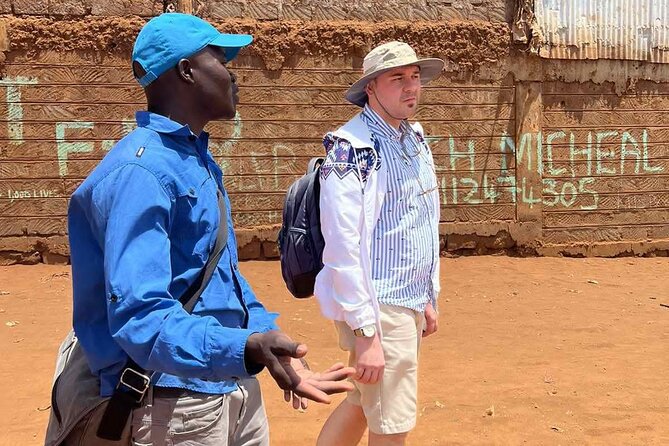
This tour is run by OAC Kenya Tours, with a team of four local guides who stay rooted in Kibera every day. That matters. You can feel the difference between guides who explain from a script and guides who explain from lived experience.
In recent groups, you may hear guides like Erick and Sammy speak openly about daily realities, including the struggles families face and what their community organizations are working on. The tone is professional and calm, not sensational.
Also, the tour is capped at 30 travelers, so you are not stuck in a giant crowd. You still need to be mentally ready for a dense, human environment, but the structure helps you stay oriented.
More of Kibera:
- Nairobi: Explore Kibera Slum with Local Guides
★ 4.9 · 365 reviews - Kevins Kibera Slum Tours
★ 5.0 · 213 reviews - Nairobi: Kibera Slum storytelling tour with a Local
★ 5.0 · 185 reviews
Price and Value: What $25 Really Gets You
The price is $25 per person, and it is not just paying for walking and chatting. It includes bottled water or soda, and it covers all fees and taxes. You also get a mobile ticket, which keeps things simple on the day.
The bigger value is the impact piece. The tour’s model is direct: 50% of the booking fees goes back to the community to help pay school fees for needy kids. That is money with a stated purpose, not a vague promise.
Is it perfect? No tour can fix everything in a single afternoon. But this one gives you a clear way to support education, and education is the kind of support that can change life trajectories.
One more practical point. The office they use at the start has free Wi-Fi and clean washrooms, which makes a huge difference when you are dealing with a new environment and want a quick reset before the deeper stops.
Your Welcome Starts at the Office, Not at a Random Street Corner
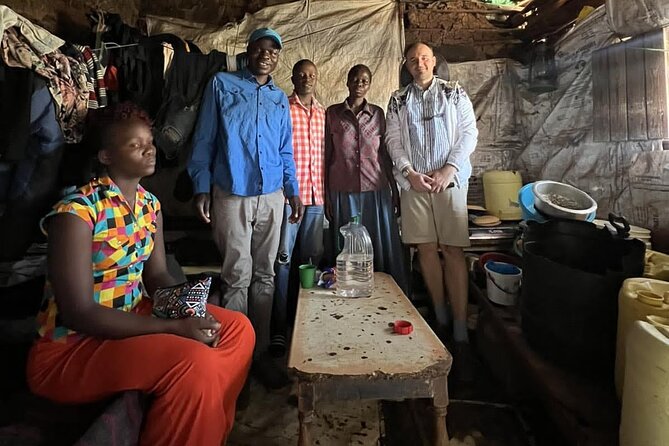
The experience begins at their office inside Kibera, and you start there for a reason. You get introductions and a briefing about the tour, which helps you understand what you are about to see and how to behave.
The office also gives you comfort basics. There are safe and secure washrooms, plus free Wi-Fi. If you are the type of traveler who likes to plan and have a moment to collect yourself, this stop is a real win.
They also mention a safe guest room for people interested in exploring Kibera at night and spending a night there, though it is an extra cost. Even if you do not do that, the existence of that option signals something important: they think about safety and guest comfort as part of the package.
A possible consideration: if you are expecting an immediate walk-through from the first minute, this opening may feel like a pause. But it is the kind of pause that makes the rest of the tour easier to understand.
Crafts Centre: Recycled Materials, Real Skills, and Thoughtful Shopping

One of the most memorable stops is the crafts centre, where locals recycle materials to make jewelry and other handmade items. This is not “souvenir stuff” thrown together for tourists. You are seeing a way people turn available materials into something saleable and meaningful.
What I like about this stop is how it connects skills to survival. You can ask questions about the process, and the guide can frame the role of this work in day-to-day income.
If you do buy something, keep it simple and respectful. A small purchase can be meaningful in a place where every steady source of income matters. And even if you do not buy, watching how items are made helps you avoid the common mistake of reducing the community to only hardship.
The crafts stop can also set you up emotionally for the rest of the tour. It is a reminder that creativity and agency exist alongside challenges.
More days out of Nairobi:
- Nairobi National Park Half-Day Tour; Free Wi-Fi connection
★ 5.0 · 878 reviews - Nairobi: National Park & Optional Elephants & Giraffe Center
★ 4.8 · 874 reviews - NAI NAMI: Nairobi Storytelling Tour with Street Children
★ 5.0 · 792 reviews - Nairobi National Park Half-Day Game Drive
★ 4.5 · 738 reviews
Meeting Children: Friendly Encounters With Clear Boundaries

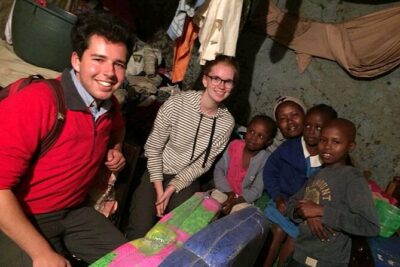
Next comes meeting children. Based on what you are told and what many visitors report feeling, this is usually a friendly, curious part of the day. Kids may follow the group and interact in a natural, uncomplicated way.
It is also where your behavior matters most. Keep your tone gentle. Move with your guide’s pace. If you carry items, go small and be guided by what your hosts say is appropriate.
One practical tip that came up in earlier experiences is to bring something little, and a lolly pop was specifically mentioned as something children seemed happy to receive. The key is not to overdo it. Bring modest, keep it thoughtful, and hand items out only if your guide directs you to.
A possible drawback: if you feel overwhelmed by attention from children, this stop can tug at your heartstrings hard. If you are sensitive, remind yourself that the best approach is calm presence and respectful listening, not trying to “fix” anything on the spot.
Home Visit: Seeing Everyday Life in One Local House

Then you get to the heart of the experience: a home visit. The tour includes being welcomed into one of the local houses, so you can see daily life in a way that no photo or drive-by ever gives you.
This is also where guides tend to explain the harder parts of living in Kibera, including the realities families navigate and the community efforts working to help. In past groups, guides like Erick and Sammy were noted for speaking openly and answering questions in detail.
What makes this stop valuable is perspective. When you are standing inside a home, you can better understand how people build routines, manage limited resources, and still find ways to support children and community needs.
A consideration: you are entering a private space. That means you should follow your guide’s lead and keep your questions respectful. If you come in expecting a performance, it will feel uncomfortable. If you come in ready to learn, it will feel human and grounded.
Cafeteria Break: Soft Drinks, Local Food, and More Context

After the heavier moments, you get a short break at the cafeteria stop. This is where you can rest, get soft drinks or local food, and keep hearing the story behind what you just saw.
The tour includes bottled water or soda, but this cafeteria stop is described as a place for more than hydration. It is a conversational pause, giving you time to digest what your guides have shared so far.
I like this stop because it prevents the tour from turning into nonstop intensity. You get a chance to sit, regroup, and ask follow-up questions when your head is clearer.
Also, it is a practical reminder that people in Kibera are not only “studied.” They eat, they rest, they socialize, and those small moments are part of real life.
Why the Impact Model Feels Different Here

Many “slum tours” claim they help. This one states exactly how it helps. The tour is run through OAC Kenya Tours, and it is tied to the nonprofit work of KCOOP Organization, established and registered in 2022.
The message is consistent: a significant portion of booking revenue goes back to the community, and 50% specifically supports school fees for needy kids. That is the clearest form of impact you can get while also learning about daily life.
You are also told they run social enterprises (including OAC Kenya Crafts) and that they are actively looking for like-minded partners. That part matters to me as a traveler, because it suggests they are trying to grow support, not just run a one-off tour model.
In short, you are not only watching. You are contributing to education support, while being taught by people who live the subject every day.
Safety, Comfort, and the Reality of Feeling Welcome
Safety and comfort are part of the design here, not an afterthought. You start with introductions and a briefing in their office, where you also have clean washrooms and a safe guest room option if you want to stay.
In one experience, a guide was credited with making the group feel really safe in the area. That kind of reassurance tends to come from structure: knowing where you are going next, and having guides who understand the community pace and how to move through it calmly.
Still, let’s be honest. You are visiting a low-income area with real challenges. Your safety comes from good guidance, and your comfort comes from being flexible.
One more practical detail that helps: the office is described as having free Wi-Fi, so if you need to check something on your phone or share maps with your travel companion, you can usually do it early rather than later.
Planning Your Day: Timing, Group Size, and Practical Tips
The tour lasts about 3 hours. That is long enough to see meaningful stops, but short enough that you are not wiped out at the end. For many visitors, it is a strong half-day plan that fits into a Nairobi itinerary without swallowing the whole day.
Group size is capped at 30, which usually keeps the guide-to-group relationship workable. You will likely be moving between stops, so wear shoes you can walk in comfortably.
The tour also notes that most travelers can participate and that it is near public transportation. Service animals are allowed too. If you need that kind of accommodation, it’s good to see it explicitly stated.
Finally, this experience requires good weather. If it is canceled due to poor weather, you should expect an alternative date or a full refund. I treat this as a normal rule for neighborhood-based tours, where conditions can affect access.
Who Should Book, and Who Should Think Twice
Book this tour if you want an experience that is built around learning from locals and you care about where your money goes. It is especially suitable if you like guided conversation, want a structured route through Kibera, and can handle real stories about struggle and resilience.
It is also a strong fit if you appreciate hands-on context. The crafts centre and home visit give you tangible, visible examples of how people generate income and keep going day to day.
Think twice if you want a tour that is mostly entertainment or if you are uncomfortable with the fact that guides will explain the reality of living in Kibera. This is not only about nice views. It is about understanding.
Should You Book This Kibera Slum Tour With a Local?
If your goal is to spend a few hours learning directly from people who live the story every day, this is one of the more value-focused options because the impact is clearly stated. 50% of your booking fees supports school fees for needy kids, and the tour is organized with specific stops that help you connect the dots between creativity, community life, and household realities.
I would book it if you can bring respect, patience, and a willingness to listen. You will get a tour that starts with a real briefing, includes practical comfort stops, and keeps the experience grounded through guided structure.
If you want, tell me your travel dates and what else you plan to do in Nairobi. I can help you place this into your day so it does not feel rushed or emotionally exhausting.
FAQ
How long is the Kibera Slum Tour with a Local?
The tour lasts about 3 hours.
What is the price per person?
The price is $25.00 per person.
What does the tour include?
The tour includes bottled water or soda, and all fees and taxes.
Where does the tour start and end?
It starts at Prestige Plaza Shopping Mall on Ngong Road in Nairobi, and it ends back at the meeting point.
How many stops are included?
There are 5 stops: the office, the crafts centre, meeting children, a home visit, and a cafeteria rest stop.
Can the tour be customized?
Yes, the tour is flexible and can be customized to match your interests.
What happens if the weather is poor?
This experience requires good weather. If it is canceled due to poor weather, you will be offered a different date or a full refund.
Recently reviewed from Nairobi
- Amboseli Day Trip from Nairobi★ 4.5 · 3 reviews
- Nairobi city tour★ 4.5 · 3 reviews
- Ngare Ndare Day Trip★ 5.0 · 3 reviews
- Day Trip To Crescent Island And Hells Gate National Park★ 5.0 · 3 reviews
- Crescent Island Day Tour From Nairobi★ 5.0 · 3 reviews
- 1-Day Amboseli Safari★ 5.0 · 3 reviews
- 13-Day Uganda Mgahinga Gorilla Trek, Maasai Amboseli Park★ 5.0 · 3 reviews
- 4 days group joining budget safari to Maasai Mara only★ 5.0 · 3 reviews
Kibera, compared.



Kibera Slum Tour with Local Social Entrepreneurs
Read our review →

Browse the lists this tour appears in