

Reviewed · KIBERA
Kibera slum tour with Lucas
This tour stands out because it is not a drive-by look at poverty. You walk through real daily routines in Kibera with a guide who grew up there, and you see how people make, sell, learn, and care for one another in tight spaces.
I like the way it mixes big city Nairobi energy with intimate community moments. Two things I really value are the time in Toi Market with lots of interaction, and the practical purpose behind the Hope and Shine Kibera Centre school support, funded through 30% of the tour fee. One consideration: it is a walking day on uneven ground, so you should plan for dirt, steps, and a slower pace if needed.
You meet at Greenhouse Mall on Ngong Road, get oriented fast, then head out for market time, craft stops, a school visit, and scenic views from a raised spot near the old colonial railway line. The guides I’ve seen referenced here, like Lucas, Effie, Elijah, and Peter, are consistently described as friendly and careful, including helping people feel comfortable during the walk.
Key things I’d mark on your Kibera-tour map

- Greenhouse Mall meet-up that gets you briefed and organized before you step into the community
- Toi Market sections where you can watch how different stalls work and talk with traders
- Victorious Craft shop turning domestic animal bones into jewelry using a brass mix
- A supported school visit at Hope and Shine Kibera Centre, hosting over 40 kids
- Home visit moments meeting families connected to the guiding team
- Raised views near the old colonial railway line for a better sense of Kibera’s scale
Starting at Greenhouse Mall, where the tone gets set

Greenhouse Mall is a smart starting point. You are in a normal Nairobi landmark first, then your guide helps you understand what the morning will look like: where you will walk, what you will see, and what is expected of you as a visitor.
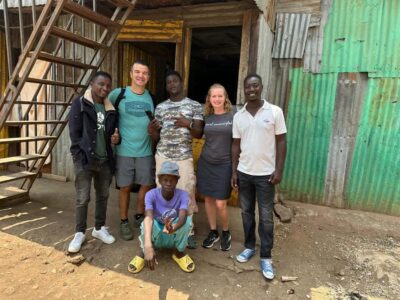
From there, you quickly shift into a very different Nairobi rhythm. The tour is built around a local guide who is born and raised in Kibera, and that matters. You’re not just collecting sights. You’re learning how people explain their own lives, their own challenges, and their own solutions, in the language of everyday details.
This is also a tour style that gives you time to stop for photos. That sounds small, but it changes the experience. You can look, ask, and record what you’re seeing without feeling like you’re constantly sprinting to the next photo spot.
More of Kibera:
- Nairobi: Explore Kibera Slum with Local Guides
★ 4.9 · 365 reviews - Kevins Kibera Slum Tours
★ 5.0 · 213 reviews - Nairobi: Kibera Slum storytelling tour with a Local
★ 5.0 · 185 reviews
Toi Market: the second largest open-air market, and a crash course in daily trade
Toi Market is described as the second largest open-air market in Nairobi after Gikomba. In real terms, that means you get a big cross-section of how people earn money, buy supplies, and keep their households running.
What I like about this market stop is the way it is handled. You’re not sent to one stall and told to wave. The tour is designed to show different sections of the market, and you get a chance to interact with traders. That interaction is where your questions land best, because you can ask about products, pricing habits, and what sells most on different days.
In Kibera, market life also tends to move fast around the edges of everyday living. So while you’re shopping or photographing, you may also notice the background reality: people balancing work, family needs, and limited space. It adds context to everything else you see later in the tour.
A practical note: market walks are often crowded. Keep your phone and camera secured, and hold onto bags and pockets like you would in any busy market. The tour offers safety throughout, but you still want to behave like you’re in a dense place with lots of foot traffic.
Craft stops that are actually about production, not just souvenirs

If you only shop for photos, you’ll miss the point. The craft component is structured to show creativity as a livelihood.
One standout is Victorious Craft shop, where domestic animal bones are recycled into jewelry and ornaments. The process involves mixing with brass, and it’s the kind of detail that makes you rethink waste and value. Instead of seeing a product as a cheap trinket, you’re seeing the transformation story behind it.
Another craft element you might see is recycled metal, glass, and other materials turned into jewelry and ornaments. That shows up in how people talk about resilience: making use of what’s available, and turning skill into income.
I also appreciate that the tour includes a crafts stop with a clear social angle. In one craft shop, women educate young girls on HIV/AIDS through a shop setting focused on learning and outreach. It is not a separate lecture you can ignore. It’s part of the daily flow of community life.
Yes, you’ll likely have opportunities to buy items. And this is where your expectations matter. Some people can feel pressured in craft shops if they want to browse but not buy. My best advice is simple: look closely, ask prices early, and only buy if it feels fair to you. Transparent pricing will help you make decisions comfortably, and if you care about that, bring a mindset that you are supporting a local business on your terms.
The home visit: what it changes in your brain in 15 minutes

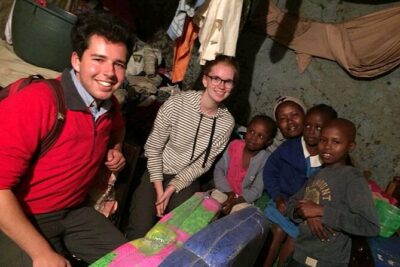
A home visit is where a Kibera tour stops being a set of sights and becomes a real human story. You get to experience life inside a slum home and meet the family of the guides on duty.
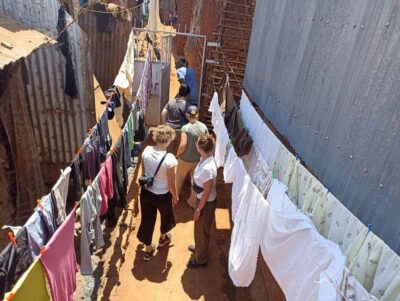
This stop is powerful for a reason that is hard to summarize. It compresses the idea of scale. You see how people arrange everyday needs in very limited space, how neighbors and relatives plug in, and how routines continue even with serious constraints.
It also changes your questions. Earlier stops give you the economy side, markets and crafts. The home visit adds the family side, the emotional backbone. People are often friendly and welcoming, but it’s still their home, so you should be respectful: follow your guide’s cues, don’t block doorways, and keep your camera use considerate.
If you’re worried about comfort or safety, you’re not alone. Multiple descriptions emphasize that the guides look after people carefully during the walk and transitions. That includes helping with steadiness for visitors who might have mobility limitations, so the guide’s role is not just informational.
More days out of Nairobi:
- Nairobi National Park Half-Day Tour; Free Wi-Fi connection
★ 5.0 · 878 reviews - Nairobi: National Park & Optional Elephants & Giraffe Center
★ 4.8 · 874 reviews - NAI NAMI: Nairobi Storytelling Tour with Street Children
★ 5.0 · 792 reviews - Nairobi National Park Half-Day Game Drive
★ 4.5 · 738 reviews
Scenic sense of scale from the old colonial railway line
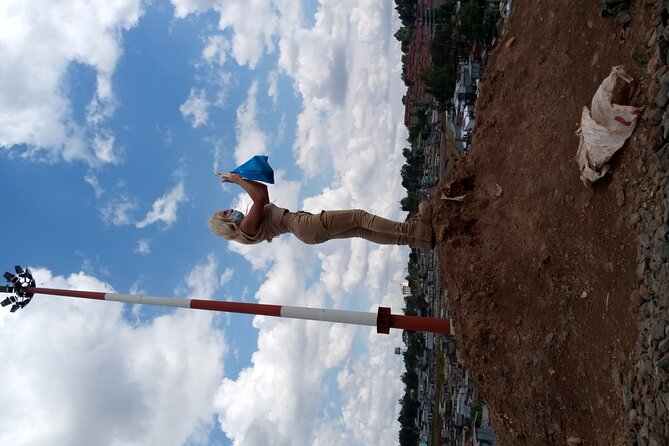
One of the more visually useful moments comes from a raised viewpoint near the old colonial railway line. You get a better sense of Kibera’s size and how neighborhoods connect.
This is smart because it counterbalances the close-range details. When you’re walking through homes, alleys, and market sections, scale can feel confusing. A raised view helps you understand the geography, even if you can’t memorize every route.
It’s also a photo moment that actually helps your brain later. You’ll remember what you saw in the market and in the home visit more clearly once you’ve seen how the area sits in relation to the surrounding city.
The school stop: Hope and Shine Kibera Centre and why 30% matters
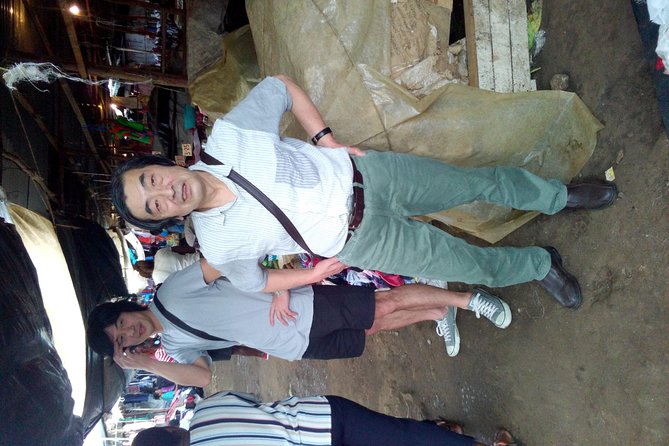
The tour’s purpose is not just a slogan. Thirty percent of the tour fee supports a Kibera school, the Hope and Shine Kibera Centre, which hosts over 40 kids.
You visit the school as one of the last points before leaving, and this timing matters. After markets, crafts, and home life, the school stop lands differently. Education stops being an abstract idea and becomes part of a whole system of daily survival and hope.
In descriptions tied to this experience, you may see a school in active development, with ongoing work funded through tour support. Even if your visit is short, it helps you understand why steady support is valuable. It’s not a one-time donation story. The school benefit is built into the tour price model.
One of the best-value aspects here is that you’re not paying extra for a charity add-on you never see. You see where the money goes, and you can connect the funding to the kids and the learning environment.
If you like to travel with a giving mindset, you may also be in a position to bring small school-related items. Some people have shared that they brought books, coloring pens, and t-shirts for the school. If you want to do that, ask your guide first so you bring things that are useful and appropriate.
How the 3 hours usually feels in real life
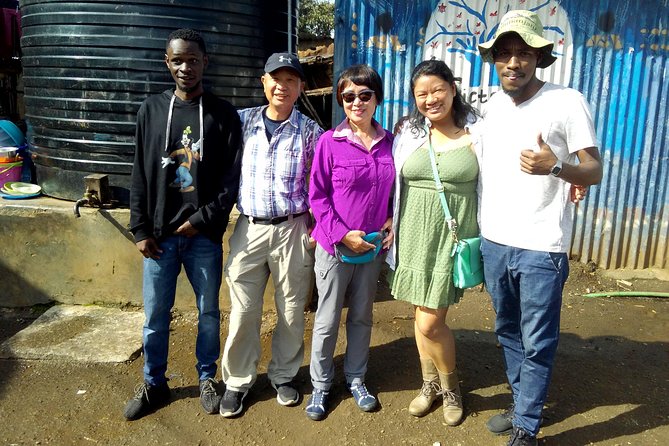
The tour is listed as 3 hours. In practice, it can feel full, because it balances walking with multiple stops where you get to look, ask questions, and take photos.
You should expect:
- Enough walking that comfortable shoes matter more than fashion
- Uneven ground with dirt and muddy patches possible, especially depending on the day
- Photo stops mixed into the flow, not just at the beginning or end
- A school and market sequence that moves from economy to home life to education
The pacing also seems flexible. The tour offers flexibility to accommodate individual interests. That’s helpful if you want more time in the market, more time at the craft shops, or extra minutes for photos at scenic spots.
For the smoothest experience, do yourself a favor and keep your expectations realistic. You’re not touring a museum with timed galleries. You’re walking through a living neighborhood, so it’s better to slow down and pay attention.
Safety and guide care, especially for solo or slower walkers
Safety is included throughout the tour, and it’s also a theme in the stories connected to this experience. People describe feeling safe during the walk, including solo visitors.
I also like that the guide role includes practical support, not just pointing. In one example, a guide helped a visitor who used walking sticks manage the uneven climb and descent. That tells me the operation pays attention to real-world needs, not just smooth itineraries.
Still, you should treat Kibera like any non-flat, non-paved neighborhood walk. Keep your focus where you’re walking, stay close to your guide, and avoid distractions that pull you away from the group. If you need extra time at any stop, ask early, before the group has moved on.
Price and value at $35 for 3 hours

$35 for 3 hours in Nairobi can sound either cheap or expensive depending on what you compare it to. Here’s how I think about the value.
You get:
- A local guide born and raised in Kibera
- Entry ticket coverage
- Safety support throughout
- Plenty of photography opportunities
- A school benefit, 30% of the tour fee supporting Hope and Shine Kibera Centre
The part that usually makes the price feel fair is the mix of access and accountability. You’re paying for real time with a local guide and for community benefit that isn’t hidden behind paperwork. You see the school and understand what tour funding does.
Could you find cheaper tours that stay on the surface? Sure. But you’d risk getting less context, less careful pacing, and fewer stops with real meaning. In this case, the structure is built so you come away with more than a photo set.
If you care about responsible travel, and you want a guided experience that ties your money to visible support, this one sits in the good-value category.
Who this tour is best for
This is a strong fit if you want:
- An authentic Nairobi day beyond the usual viewpoints
- Market and craft experiences with real explanations
- A community-supported education stop
- A guide-led walk where questions are part of the deal
It may be less of a fit if you:
- Need wheelchair-friendly access, since it is not suitable for wheelchair users
- Struggle with long walking distances and uneven paths, since the ground can be rough
- Prefer a low-interaction format, since you’ll be interacting with traders and visiting homes
If you’re a solo traveler, the experience is often described as safe and welcoming. If you’re traveling with family, you’ll want to consider the walking demands first.
Should you book Kibera slum tour with Lucas?
I’d book this tour if you want a guided look at Kibera that explains daily life through the people who live it, and you like the idea of your payment directly supporting a school you can actually visit. The Toi Market time, the craft work focused on recycling, and the school stop tied to Hope and Shine Kibera Centre are the strongest combination.
I’d think twice if you hate walking on uneven ground, or if you want a purely observational experience with minimal shop stops. If you do go, prepare with comfortable shoes, bring a camera for the photo breaks, and keep your questions respectful and curious.
If your goal is understanding, not just sightseeing, this is one of the best ways to spend a few hours in Nairobi.
FAQ
How long is the Kibera slum tour with Lucas?
The tour duration is 3 hours.
How much does it cost?
It costs $35 per person.
Where do we meet for the tour?
You meet at the entrance of Greenhouse Mall.
What is the tour language?
The tour is offered in English.
What should I bring?
Bring comfortable shoes and a camera.
Is this tour suitable for wheelchair users or people over 95?
No. It is not suitable for wheelchair users, and it is also not suitable for people over 95 years.
Recently reviewed from Nairobi
- Amboseli Day Trip from Nairobi★ 4.5 · 3 reviews
- Ngare Ndare Day Trip★ 5.0 · 3 reviews
- Nairobi city tour★ 4.5 · 3 reviews
- Day Trip To Crescent Island And Hells Gate National Park★ 5.0 · 3 reviews
- Crescent Island Day Tour From Nairobi★ 5.0 · 3 reviews
- 1-Day Amboseli Safari★ 5.0 · 3 reviews
- 4 days group joining budget safari to Maasai Mara only★ 5.0 · 3 reviews
- 13-Day Uganda Mgahinga Gorilla Trek, Maasai Amboseli Park★ 5.0 · 3 reviews
Kibera, compared.
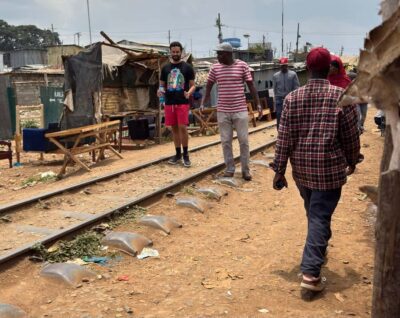


Kibera Slum Tour with Local Social Entrepreneurs
Read our review →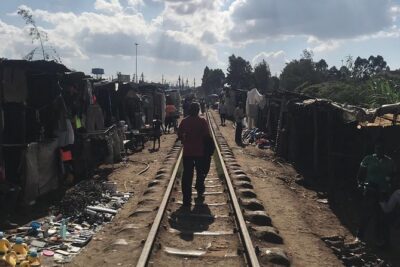

Browse the lists this tour appears in