
Reviewed · KIBERA
Mathare Community Slum Tour
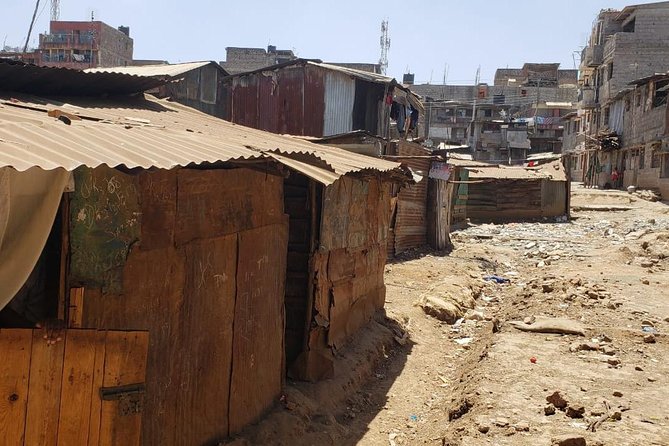
Mathare is one of Nairobi’s oldest informal settlements, and what makes this tour different is that it is community-led and designed to be personal, not staged. I like that you get a plain-language look at daily life, including time with local mothers in their homes. One caution, it depends on good weather, so keep your schedule flexible in case plans shift.
I also really appreciate the practical side of the visit, you stop at local craft shops for handmade beadwork, so you can connect the stories to the work people do to earn income. You also hear about the impact of HIV and other public health crises, explained by the people living with those realities.
Key things to know before you go

- Community-led approach that prioritizes local voices and direct conversation
- Inside-home visit with local mothers, which makes the day feel real and grounded
- Public health focus on HIV and other crises, with context from residents
- Beadwork craft shops where you can shop for handmade pieces
- Bottled water included so you start the tour hydrated
Mathare in Nairobi: What this community-led tour actually shows

Mathare sits in Nairobi, and it is often discussed in big-picture terms. This tour keeps you inside the details. Instead of big statements, you spend your time with residents who explain what life is like, what challenges feel urgent, and what hope looks like day to day.
I like that the experience is private. That matters here, because questions come more naturally when it is just your group. You are also more likely to follow the pace of the guide and the moment, which is important when the topics include HIV and other public health crises.
This is not a drive-by photo safari. The tour includes time walking through the community and a stop for craft shopping, so you get a sense of how daily life and local business connect. The bottled water is a small touch, but it helps you stay comfortable while you are out.
More of Kibera:
- Nairobi: Explore Kibera Slum with Local Guides
★ 4.9 · 365 reviews - Kevins Kibera Slum Tours
★ 5.0 · 213 reviews - Nairobi: Kibera Slum storytelling tour with a Local
★ 5.0 · 185 reviews
A respectful mindset goes a long way
Because you are visiting people’s homes and listening to sensitive topics, it helps to go in with a respectful attitude. I would plan to be mindful with photos and questions, and let your guide set the tone for what is okay and what is not. If you want to understand, the best move is to listen first, then ask.
How the 2 to 3 hour private format keeps it focused
The tour runs about 2 to 3 hours, so it is long enough to feel like a real visit and short enough that you are not rushed into a checklist. The private setup means only your group participates, which usually creates a calmer flow. You can keep your attention on what matters instead of splitting time among lots of strangers.
Price is $25.65 per person, which is surprisingly accessible for a private community experience. You also get bottled water included, and the visit includes a craft shopping stop. In value terms, you are not just buying a walk. You are buying guided context, time with local residents, and an opportunity to support local craft work.
Two practical points for planning:
- Bring patience. The best conversations take time.
- Expect the schedule to shift slightly based on the community’s flow, since this is truly community-led.
Health stories in Mathare: HIV and public health crises explained up close

A big part of this tour is understanding the impact of HIV and other public health crises. That can sound heavy, but on the ground it becomes clear why the subject is handled with care. You are not hearing abstract facts. You are hearing how people experience risk, treatment, support systems, stigma, and everyday decisions.
I appreciate that this is woven into the tour instead of being dropped like a lecture at the end. The context helps you connect the dots between what you see around you and what residents describe as their biggest needs. It also changes how you think about public health, because you start to understand how health services and community networks shape outcomes.
You should also be emotionally prepared. This is not horror tourism, but it is honest. If you want only upbeat scenery, you might find the health section challenging. If you want clarity and context, this is a strong fit.
More days out of Nairobi:
- Nairobi National Park Half-Day Tour; Free Wi-Fi connection
★ 5.0 · 878 reviews - Nairobi: National Park & Optional Elephants & Giraffe Center
★ 4.8 · 874 reviews - NAI NAMI: Nairobi Storytelling Tour with Street Children
★ 5.0 · 792 reviews - Nairobi National Park Half-Day Game Drive
★ 4.5 · 738 reviews
Craft shops and handmade beadwork: turning stories into something tangible

You will stop to visit local craft shops and shop for handmade beadwork. This part matters because it shifts you from observation to connection. You get to see a practical side of community life, where creativity and small-scale production create income opportunities.
Handmade beadwork also gives you a simple conversation starter. You can ask what goes into a piece, what customers like, and how people sell their work. Even if shopping is not your goal, the craft stop adds texture to the day.
A smart tip: go in with the mindset that shopping should feel respectful, not transactional. If you want to buy, ask about pricing and payment methods before you commit, since details can vary. If you prefer not to buy, you can still use the shop stop to ask questions and learn.
Home visits with local mothers: what to expect and how to behave
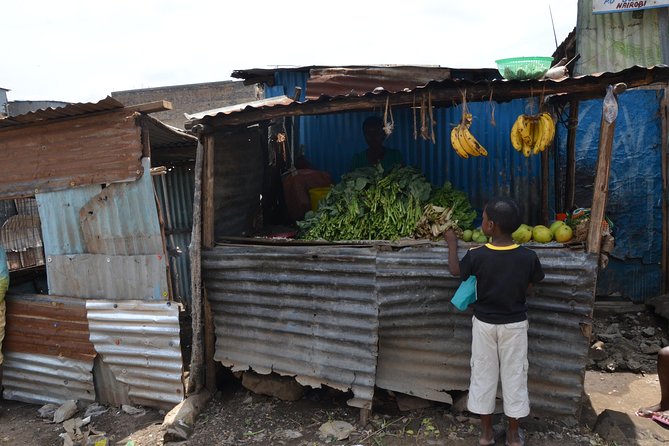
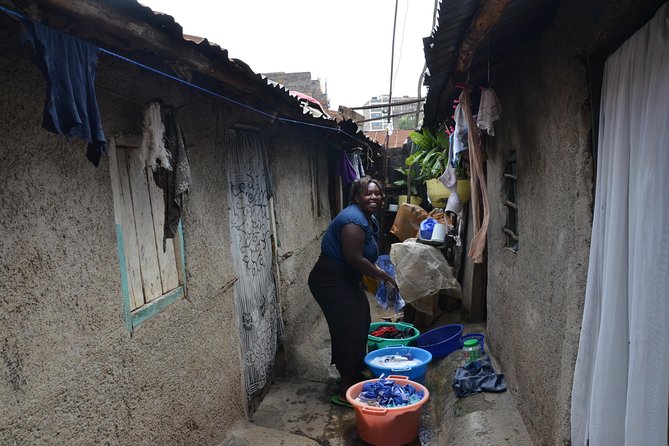
One of the most meaningful parts is the visit inside the homes of local mothers. This is where the tour becomes deeply human. You are not just hearing stories outside in the open. You get a sense of daily routines, family life, and what residents want outsiders to understand.
Because this is a home visit, you should plan to be low-key. Follow your guide’s cues on what to do and where to stand. If you are carrying a camera, it is wise to wait until you are invited or you understand the local comfort level first.
This section is often what people remember most, because it turns a location into lived experience. It also reinforces why community-led matters. The people hosting the conversation are not performing for a broad audience. They are sharing what their lives look like from the inside.
Practical planning tips, including weather and communication

The tour requires good weather. That means if rain or poor conditions show up, you may be offered another date or a different arrangement. I suggest you book when you have some schedule flexibility, so you do not feel stuck.
The tour starts at Ushindi East Avenue (Ushindi E Ave, Nairobi, Kenya) and ends back at the meeting point. It is noted as near public transportation, which is useful if you are building your day around Nairobi traffic patterns.
Finally, here is a real-world planning consideration: this is operated by Jijenge Community Slum Tours, and like many small operators, communication can be uneven during busy times. One negative booking experience reported lack of response by WhatsApp, so I strongly recommend you confirm ahead of time and keep your booking details handy. If you do not hear back, contact again earlier rather than waiting until the last minute.
Should you book the Mathare Community Slum Tour?
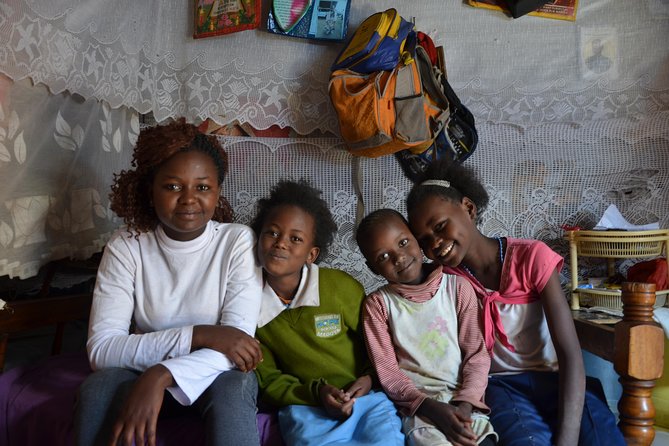
Book it if you want a private, guided community visit that focuses on real life, not spectacle. You’ll get value for the price through guided storytelling, a home visit with local mothers, health context around HIV and other public health crises, and time to browse handmade beadwork at local craft shops.
Skip it if you are not ready for serious topics or you cannot handle the weather-dependent nature of the experience. Also think twice if you need guaranteed, last-minute communication support, because small-group community tours can be harder to manage than large hotel excursions.
If you do book, go with respect, keep an open mind, and treat the conversations like they matter, because they do.
FAQ
Where does the Mathare Community Slum Tour start and end?
The tour starts at Ushindi East Avenue (Ushindi E Ave, Nairobi, Kenya). It ends back at the same meeting point.
How long is the tour?
The experience runs for about 2 to 3 hours.
What is the price per person?
The price is $25.65 per person.
Is this tour private?
Yes. It is a private tour/activity, and only your group participates.
What kind of ticket do I get?
You receive a mobile ticket.
Is bottled water included?
Yes. Complimentary bottled water is provided.
What are the tour hours?
The operating hours are Monday through Sunday, 7:00 AM to 5:00 PM.
What is the cancellation policy?
You can cancel for a full refund. The tour offers free cancellation up to 24 hours before the experience’s start time. If the tour is canceled due to poor weather, you are offered a different date or a full refund. If it is canceled because a minimum number of travelers is not met, you are offered a different date or a full refund.
Recently reviewed from Nairobi
- Amboseli Day Trip from Nairobi★ 4.5 · 3 reviews
- Ngare Ndare Day Trip★ 5.0 · 3 reviews
- Nairobi city tour★ 4.5 · 3 reviews
- Day Trip To Crescent Island And Hells Gate National Park★ 5.0 · 3 reviews
- Crescent Island Day Tour From Nairobi★ 5.0 · 3 reviews
- 1-Day Amboseli Safari★ 5.0 · 3 reviews
- 13-Day Uganda Mgahinga Gorilla Trek, Maasai Amboseli Park★ 5.0 · 3 reviews
- 4 days group joining budget safari to Maasai Mara only★ 5.0 · 3 reviews
Kibera, compared.



Kibera Slum Tour with Local Social Entrepreneurs
Read our review →


Browse the lists this tour appears in