

Reviewed · KIBERA
Nairobi: Kibera Street Art Tour with Local Artists
Kibera’s street art is worth seeing because it is explained by the people who paint it, not by outsiders guessing meanings. I like the focus on Kibera murals and the personal stories behind them, with less tourism gloss and more lived detail.
I also like that you meet the Sun Valley Art Collective in its own orbit, including a studio visit and chances to buy art directly from the artists. One possible drawback: this is a neighborhood walk through active daily life, so you need to be patient, and it is not set up for mobility needs.
You should plan on a 150-minute experience with a small-group feel, since the tour runs with one guide for every two guests. Expect about 2 hours of guided walking plus an extra stop, with snack breaks along the way and a finish near Olympic stage for easy onward transport.
Key things you’ll notice on this Kibera street art tour

- Artist-guides from Kibera explain the meaning of murals in their own words and context
- Sun Valley Collective connections include studio time and community-focused art programs
- Street food samples on request break up the walk and make the day feel more local
- Direct art purchases let you support the artists immediately, not just admire from afar
- Respect-first photos are part of the experience, with guidance on when it is appropriate
- Finish near Olympic stage makes it simpler to leave for your next stop
Meeting Kibera through art, not through assumptions
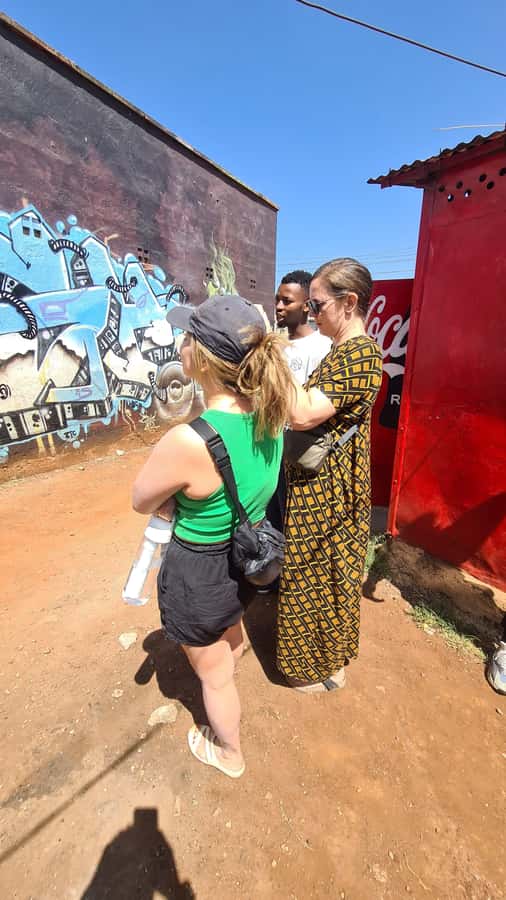
This tour is built around one smart idea: street art changes when you understand who made it and why. In Kibera, murals and painted scenes are not just decoration. They act like public storytelling, teaching tools, and community identity markers.
I like the way the tour frames the art as part of daily life, including the realities of education, health, sports groups, and creativity programs. The guides come from Sun Valley Art Collective, a group of around 15 local artists who grew up in Kibera, so you get perspectives that are rooted in the neighborhood rather than imported.
You should also know what you are signing up for. This is not a quiet gallery walk. You will pass people working, chatting, and living their normal routines, and the guides will tell you when to take photos and when to just observe.
More of Kibera:
- Nairobi: Explore Kibera Slum with Local Guides
★ 4.9 · 365 reviews - Kevins Kibera Slum Tours
★ 5.0 · 213 reviews - Nairobi: Kibera Slum storytelling tour with a Local
★ 5.0 · 185 reviews
The Sun Valley Art Collective angle, and why it matters
The heart of the experience is meeting young artist-guides who treat their work like community service. The tour highlights educational murals and urban art dotted around Kibera, and the guides explain how the art links to programs for young people.
In practical terms, that means you are not just looking at color and composition. You are hearing how a wall gets used as a message board, a training space, or a way to spark conversations. Some of the most praised moments in the experience are the clear, detailed explanations and the way the guides connect artworks to social and personal realities.
You’ll likely meet guides such as Saviour, Tony, Anthony, or Anton depending on the day. Across different tours, the common thread is the same: they speak with pride, and they talk about why art matters when resources are tight and the neighborhood is often misunderstood.
Your walking route, with what to expect at each phase

The tour has a simple rhythm. You start at the meeting point, head into Kibera with guided stops, take snack breaks, and end at a gallery near Olympic stage.
Start at Gateway Supermarket, then head into the neighborhood
You meet outside Gateway Supermarket on Kibera Station Road. The location is described as safe, and there is no parking nearby, so plan to arrive by Uber or taxi.
Before you go, think like an old-school walker. Wear closed-toe shoes, bring a hat, and carry water. Even if the tour feels smooth, Kibera streets are still streets. Good shoes keep the day enjoyable instead of annoying.
A different day out of Nairobi:
- Nairobi National Park Half-Day Tour; Free Wi-Fi connection
★ 5.0 · 878 reviews - Nairobi: National Park & Optional Elephants & Giraffe Center
★ 4.8 · 874 reviews - NAI NAMI: Nairobi Storytelling Tour with Street Children
★ 5.0 · 792 reviews - Nairobi National Park Half-Day Game Drive
★ 4.5 · 738 reviews
Guided time in Kibera: murals, art collectives, and studios
The main block is a guided walk through Kibera, around 2 hours. Along the way, you visit murals, art collectives, and different creative spaces. You may also get a look at artist houses and studios, which is the part that makes this experience feel more human than most “see the sights” tours.
One reason this segment gets high praise is that the guides explain the work as collaboration and community effort, not as solo “genius” art. You may see collaborative mural work, and you can hear how inspiration connects to everyday concerns, hopes, and realities.
There are also often moments that add variety beyond flat wall art. For example, you might be introduced to other makers such as a welder who makes animals out of recycled metal. That kind of stop helps you understand the broader creative ecosystem, where art can be painted, sculpted, or built from what people have.
A shorter extra stop: where the art energy continues
The tour includes a third stop of about 30 minutes, labeled as a hidden gem in the schedule. In real life, this is a short, focused add-on that keeps you moving without overload.
Depending on the day, this part may connect you with another artist, another display space, or a small exhibition. The idea is the same: you keep seeing art as a living network, not a single mural and then you’re done.
Finish near Olympic stage at HOF Gallery Kibera
You wrap up near Olympic stage, at HOF Gallery Kibera. This is a practical win. From there, it is easier to call an Uber or taxi, or take a matatu to your next destination.
If you are planning dinner or a later museum visit, build in a little cushion for transport. Kibera is lively and the day can run a touch differently depending on conversations, buying decisions, and when the guides encourage you to step aside for daily movement.
Street food and snack stops that actually feel respectful

Food is part of the tour, and it is handled in a low-key way. Street food samples are included if requested, and the walk includes stops at favorite street vendors for snacks.
Here is the smart practical advice: go in hungry enough to enjoy the stops, but bring what you need to stay comfortable. The tour recommends snacks and water, and I agree. Even if you get samples, having your own water means you control your pace.
Because you are moving through active neighborhood life, you should treat snack time as part of the social flow, not a photo shoot. Ask questions if you want, take your time, and follow what the guide suggests about timing and where to stand.
How the buying works, and how to spend your money well
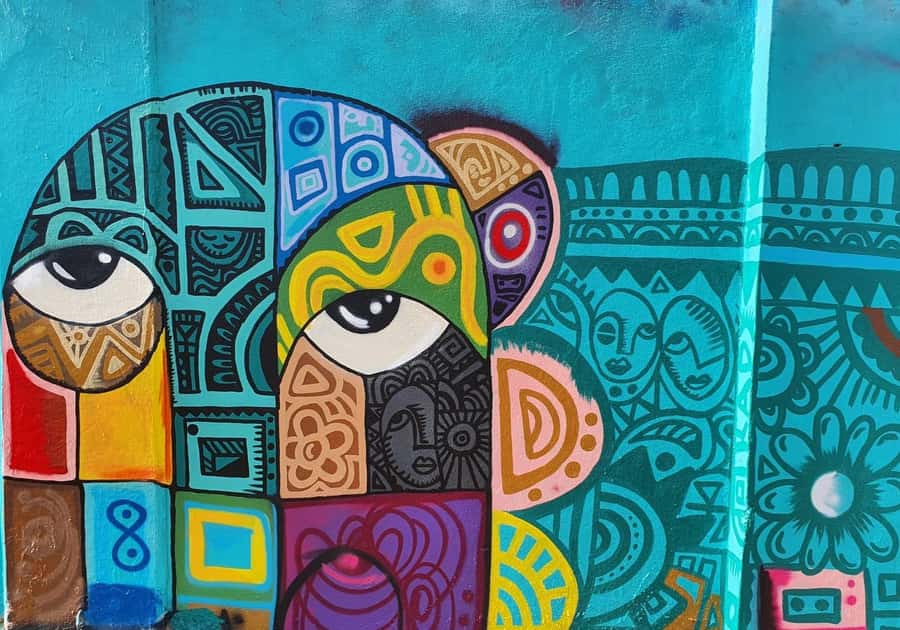
One of the most satisfying parts is that you have multiple chances to purchase art directly from local artists as you walk. Art purchases are not included in the tour price, but the opportunity is built in.
That changes the whole feel of the day. Instead of leaving with photos only, you leave with an object that has a story attached. People often buy a piece they connect with because the guide can explain what to look for, and the artist can talk about how the work fits into community life.
You might find paintings or objects created from recycled materials, and in some tours you may also see other media like blown glass made from recycled glass. There may even be gallery space where multiple artists’ work is on display and for sale.
For you, the best approach is simple:
- Look first. Ask questions about the work and what you are buying.
- Decide based on budget and carry comfort, since street art purchases can vary in size and weight.
- If you want a memorable souvenir, consider buying something you can tie to a specific story the guide shares.
What the guide promises, and what you should confirm
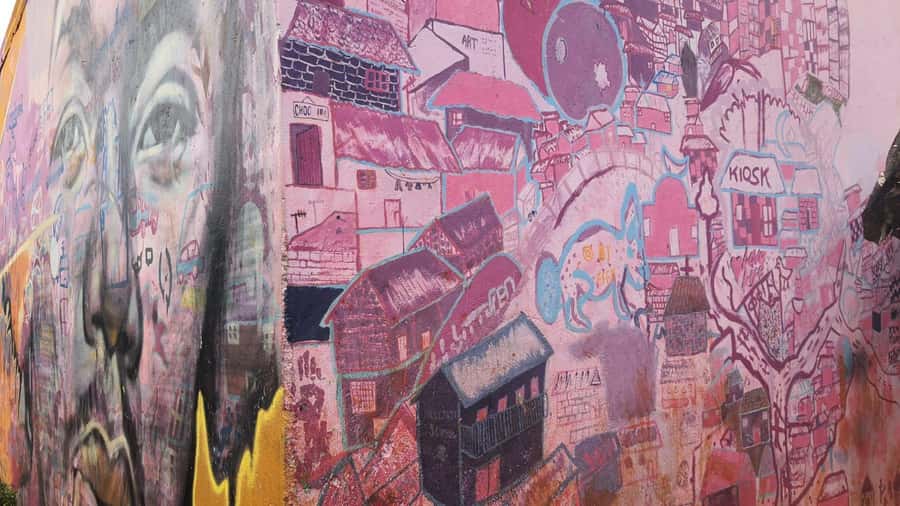
This tour is led in English and Swahili by a live guide. The schedule is flexible, and you can reach out with special requirements or requests.
You should also be clear on a big “fit” factor: the experience is not suitable for people with mobility impairments and wheelchair users. The walk involves uneven neighborhood streets and time spent moving between outdoor mural areas and creative spaces.
On the photo side, the tour asks for respect. You will pass people going about their daily lives, and your guides will tell you when it is appropriate to take photos. That is a good rule to follow without debate. It keeps the experience ethical and keeps everyone comfortable.
Price and value: where your $45 goes
The price is $45 per person, for about 150 minutes. That is not a bargain-bin price, but it is also not an “art auction” price. It sits in the middle, and the value depends on how you like to travel.
You’re paying for:
- A guided walking experience through Kibera street art
- Access to artist spaces and collective connections
- Small-group comfort, since it is one guide for every two guests
- Street food samples on request
If you compare it to a typical city walking tour, the difference is the depth of relationships and the direct artist connection. You are not just learning the surface facts about murals. You are hearing how the artists see their own work, their community, and the role creativity plays in education and health initiatives.
If you mostly want quick “Instagram views” with minimal interaction, you may not get as much from this tour. If you want stories, context, and a chance to meet people who treat art as a community tool, it can feel like a strong value for the money.
Also remember, the tour gives you opportunities to buy art. That is optional, but it is part of the value proposition. If you buy, you are spending extra, but you are also supporting the artists right away.
Who should book this, and who should skip it

This tour makes the most sense if you are:
- An art lover who likes meeting artists, not just viewing walls
- Curious about how creativity supports community programs
- Comfortable with respectful walking through a real neighborhood
You should be cautious if:
- You have mobility limitations, since it is not suitable for wheelchair users
- You want a fully controlled, low-contact experience, because you will be walking past daily life and interacting with the neighborhood flow
If you are a first-time visitor to Nairobi, this can also be a meaningful choice because it reframes Kibera through local voices. If you are returning, it can be a way to see that the art scene is active and evolving, with collective spaces and different types of makers.
A few practical tips to make your day smoother

The tour does not ask for much, but small things matter.
- Wear comfortable shoes. Closed-toe is recommended.
- Bring a hat and water. Sun and walking add up fast.
- Bring a camera, but keep it respectful. Follow the guide’s cues.
- Have cash ready for art purchases if you plan to buy. Prices are set by the artists.
- If you want street food samples, make it clear during the tour so you do not miss that part.
And here is a human tip: listen more than you talk. The best moments come when you let the guides explain, then ask one or two focused questions.
Should you book the Kibera street art tour with local artists?
I think you should book it if you want a guided art experience with real context, led by young artists who grew up in Kibera. The tour’s strongest appeal is the storytelling, the sense of community purpose behind the art, and the chance to see studio life and buy directly from artists.
Skip it if you need wheelchair-friendly routes or if you prefer structured, low-walking tours. Also consider your comfort level with passing through an active neighborhood. If you can handle that with patience and respect, you will likely come away with more than photos.
If you do book, pick this tour because you like learning from people who actually live the story, and because you want your souvenir to have a connection, not just a label.
FAQ
Where is the meeting point?
You meet outside Gateway Supermarket on Kibera Station Road.
How long is the tour?
The tour duration is about 150 minutes (listed as 2 to 3 hours).
How much does it cost?
The price is $45 per person.
Who guides the tour and what languages are used?
It includes a live guide, with English and Swahili. The tour runs with one guide for every two guests.
Is street food included?
Street food samples are included on request.
Where does the tour finish?
The tour finishes near Olympic stage, at HOF Gallery Kibera.
Can I buy art during the tour?
Yes. There are multiple opportunities to purchase local art directly from local artists. Art purchases are not included in the tour price.
Is this tour suitable for wheelchair users or mobility impairments?
No. It is not suitable for people with mobility impairments or wheelchair users.
Recently reviewed from Nairobi
- Amboseli Day Trip from Nairobi★ 4.5 · 3 reviews
- Ngare Ndare Day Trip★ 5.0 · 3 reviews
- Nairobi city tour★ 4.5 · 3 reviews
- Day Trip To Crescent Island And Hells Gate National Park★ 5.0 · 3 reviews
- Crescent Island Day Tour From Nairobi★ 5.0 · 3 reviews
- 1-Day Amboseli Safari★ 5.0 · 3 reviews
- 13-Day Uganda Mgahinga Gorilla Trek, Maasai Amboseli Park★ 5.0 · 3 reviews
- 4 days group joining budget safari to Maasai Mara only★ 5.0 · 3 reviews
Kibera, compared.





Kibera Slum Tour with Local Social Entrepreneurs
Read our review →


Browse the lists this tour appears in